Category: Medications - Page 2
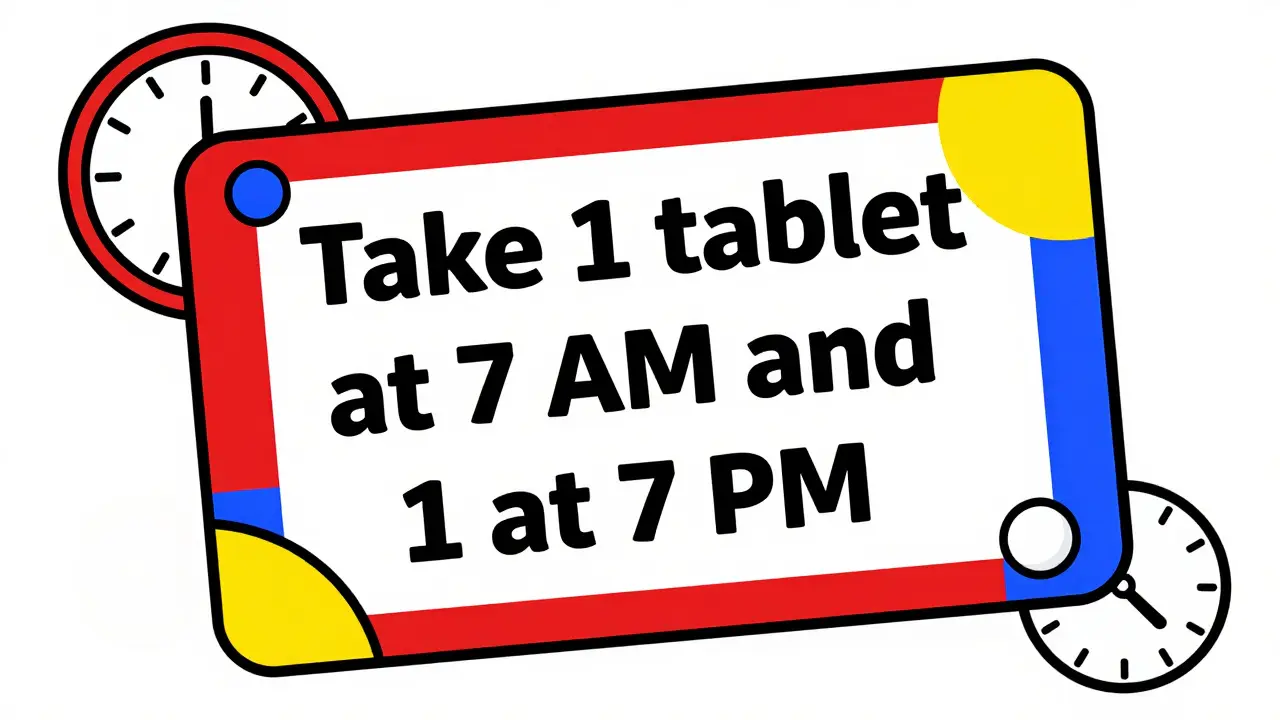
Learn how to read prescription labels correctly to avoid dangerous dosing mistakes. Discover why vague terms like 'twice daily' are risky, how to measure liquids safely, and what to ask your pharmacist for clearer instructions.
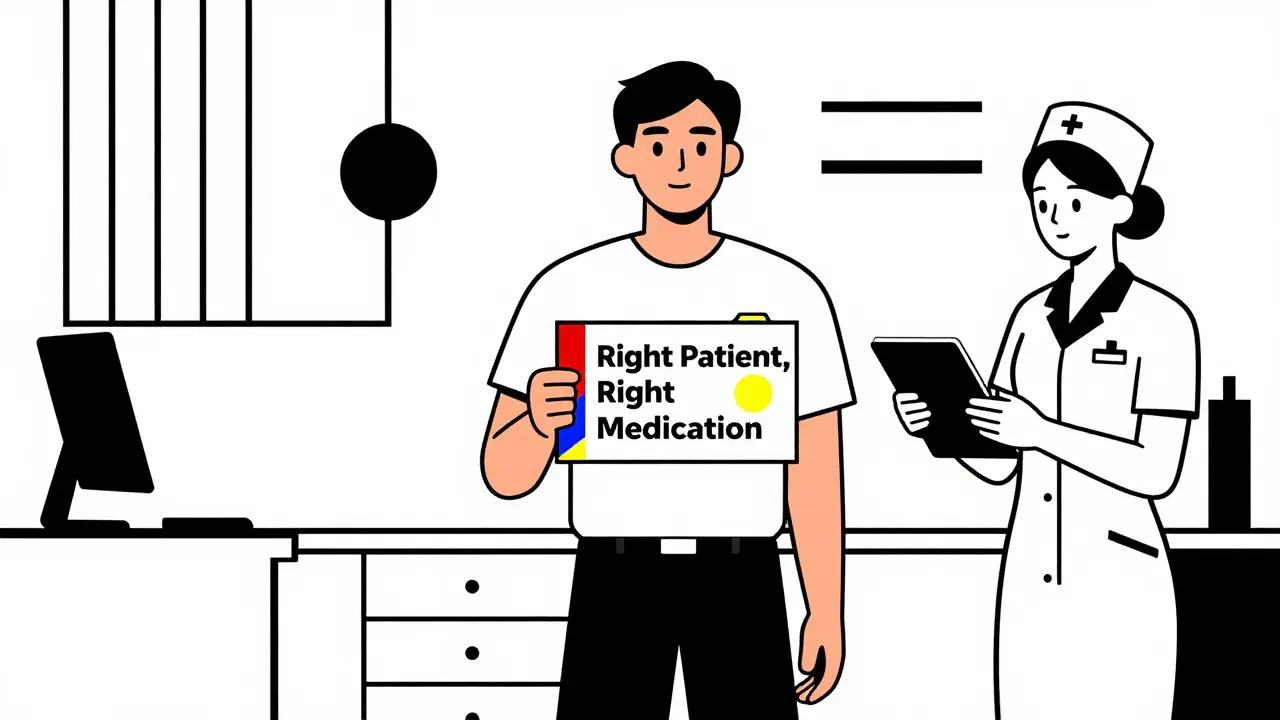
Learn the key medication safety terms every patient should know-from the Eight Rights to adverse drug events-to prevent dangerous mistakes and take control of your health. Simple, actionable, and backed by real data.
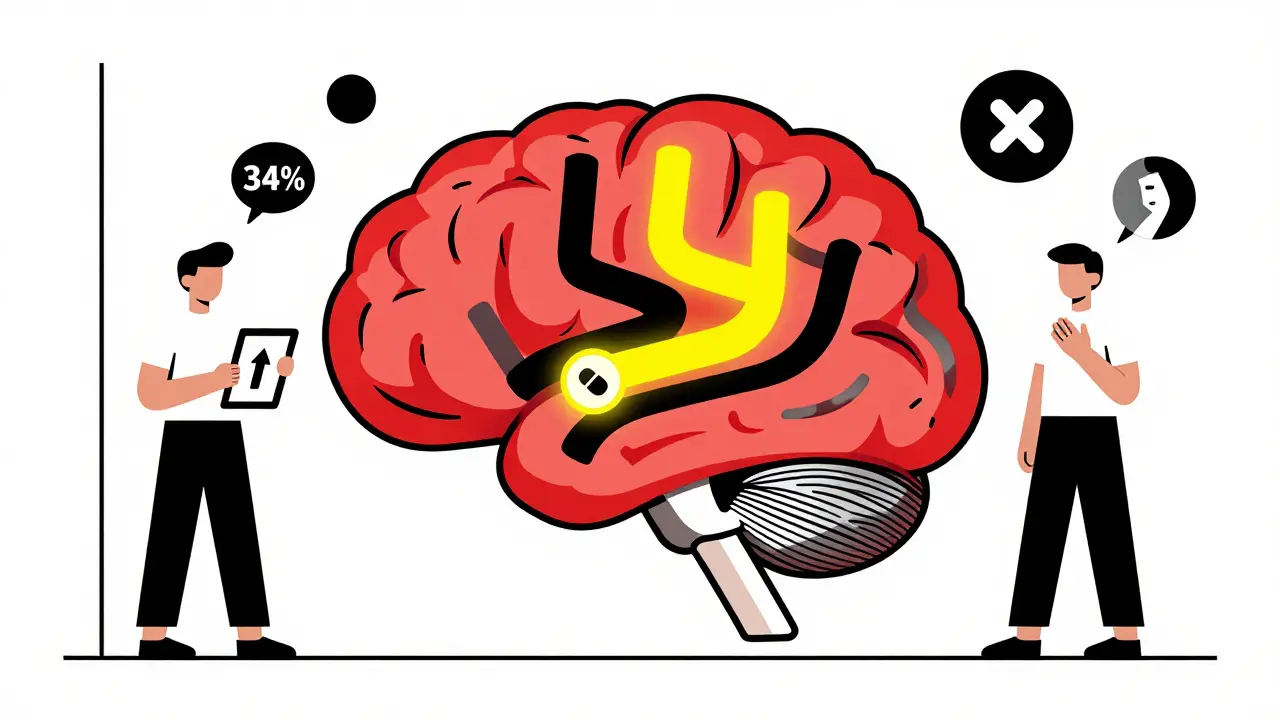
In 2024, the FDA approved 50 new drugs, including breakthrough treatments for Alzheimer’s, schizophrenia, and opioid overdose. Learn how their safety profiles compare, what side effects to watch for, and what’s coming in 2025.
7 Feb
2026
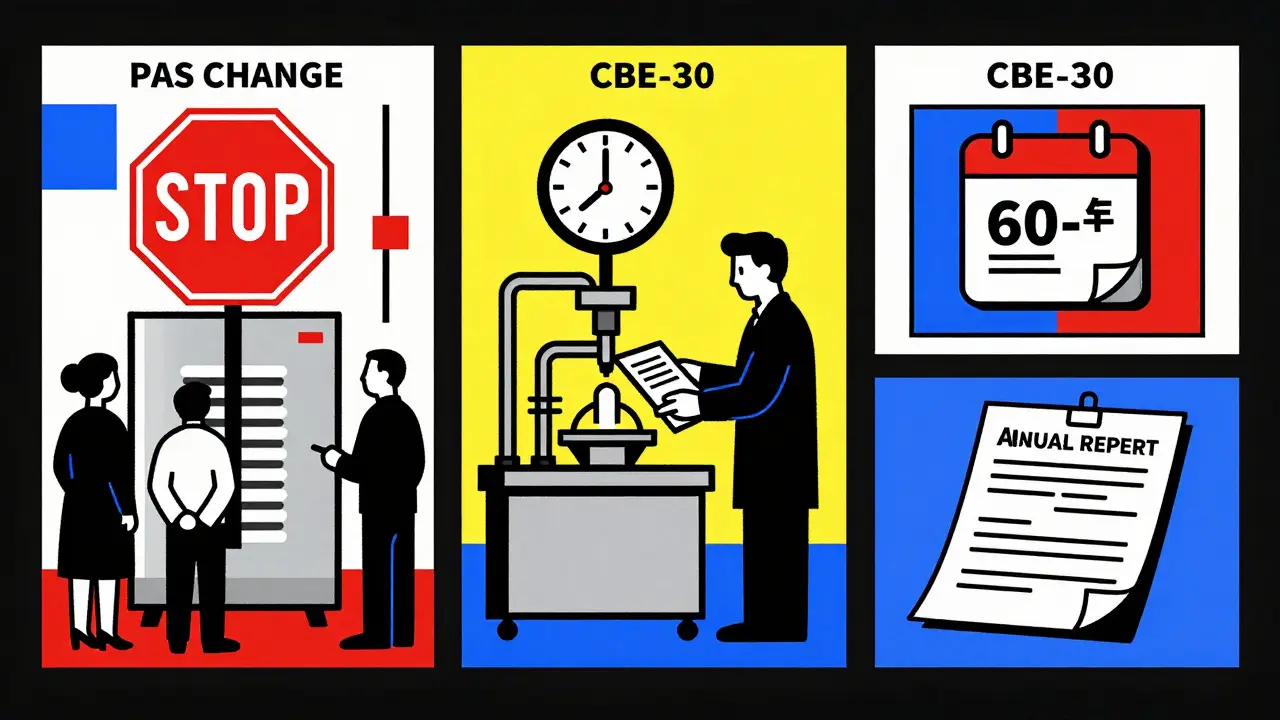
Understand the FDA's three-tier system for manufacturing changes in pharmaceuticals: PAS, CBE-30, and annual reports. Learn how to classify changes, avoid violations, and stay compliant with global regulations.
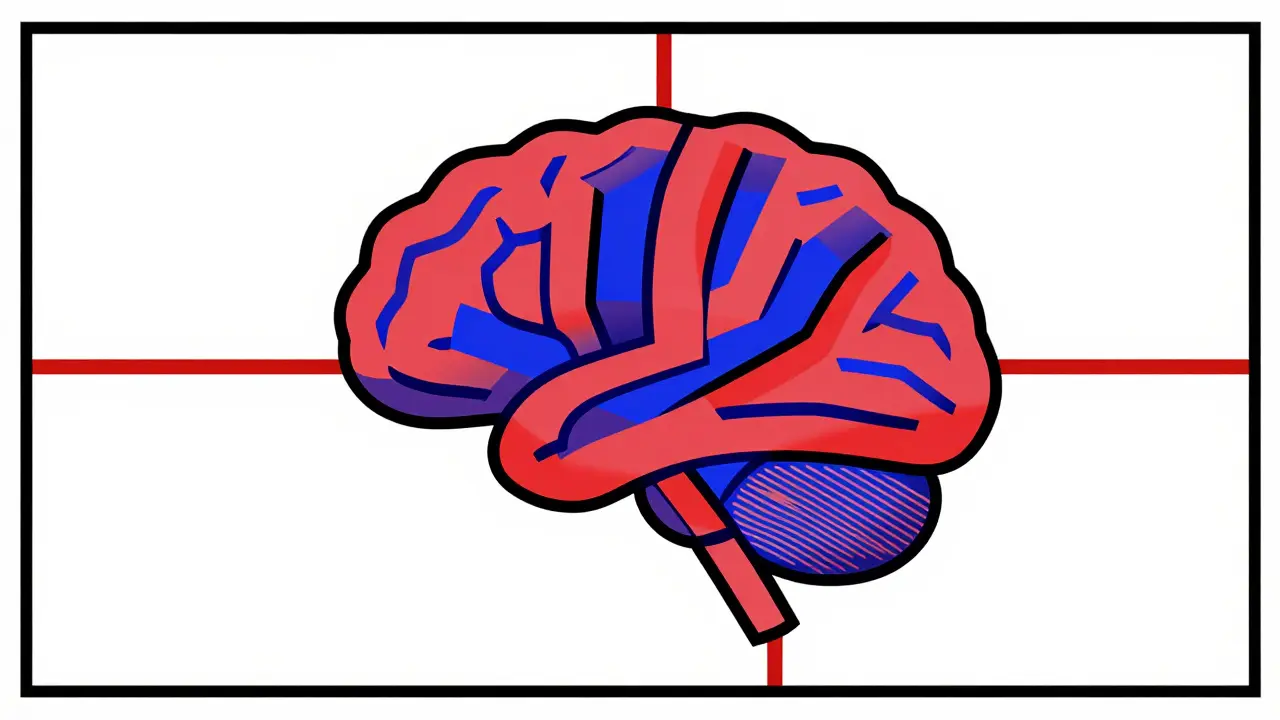
Triptans are common migraine treatments but have serious interactions and limitations. Learn about safe usage, side effects, and when to try alternatives. Find out why some people don't respond and what to do next.

Learn how to safely dispose of chemotherapy drugs at home to protect your family and environment. This guide covers essential protocols, common mistakes, and expert-approved methods for handling hazardous cancer medications.
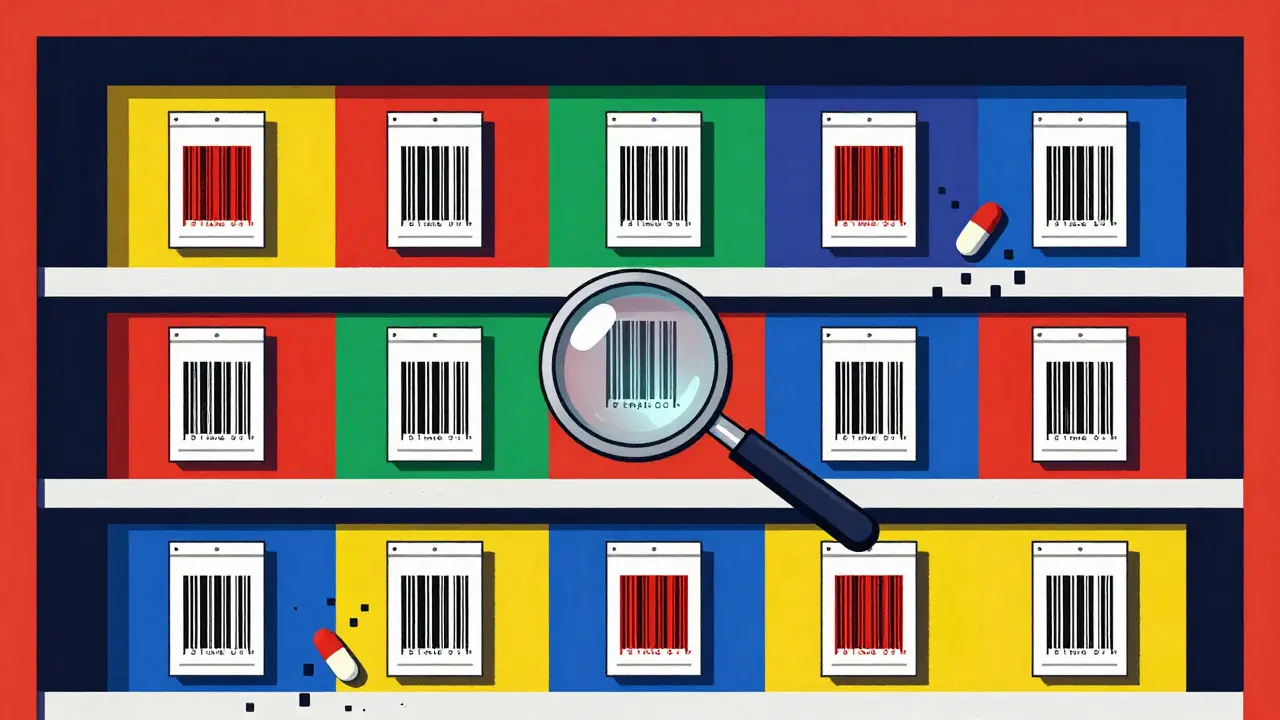
The U.S. drug supply chain uses advanced serialization and traceability under the DSCSA to prevent counterfeit medications from reaching patients. Learn how barcode tracking, authorized partners, and electronic data exchange protect your prescriptions.
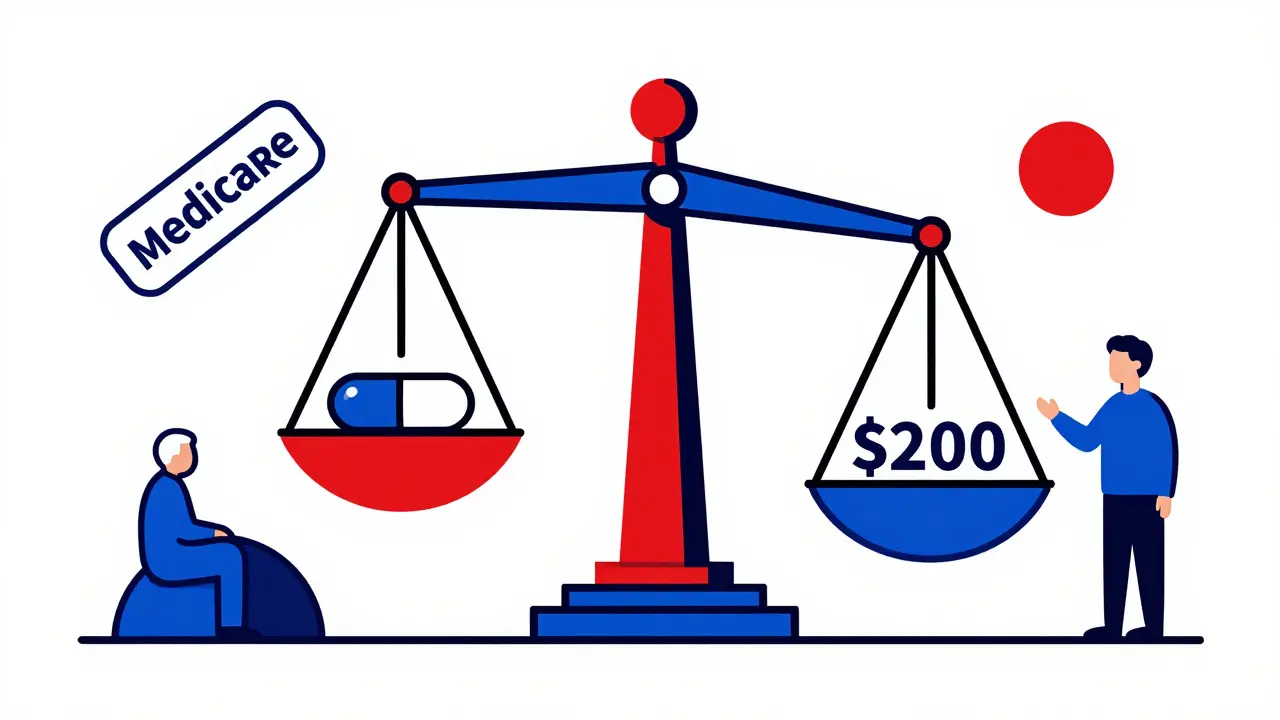
Starting January 2026, Medicare will pay significantly less for 10 high-cost prescription drugs thanks to new price negotiations under the Inflation Reduction Act. Learn how it works, which drugs are affected, and what it means for your out-of-pocket costs.
22 Jan
2026
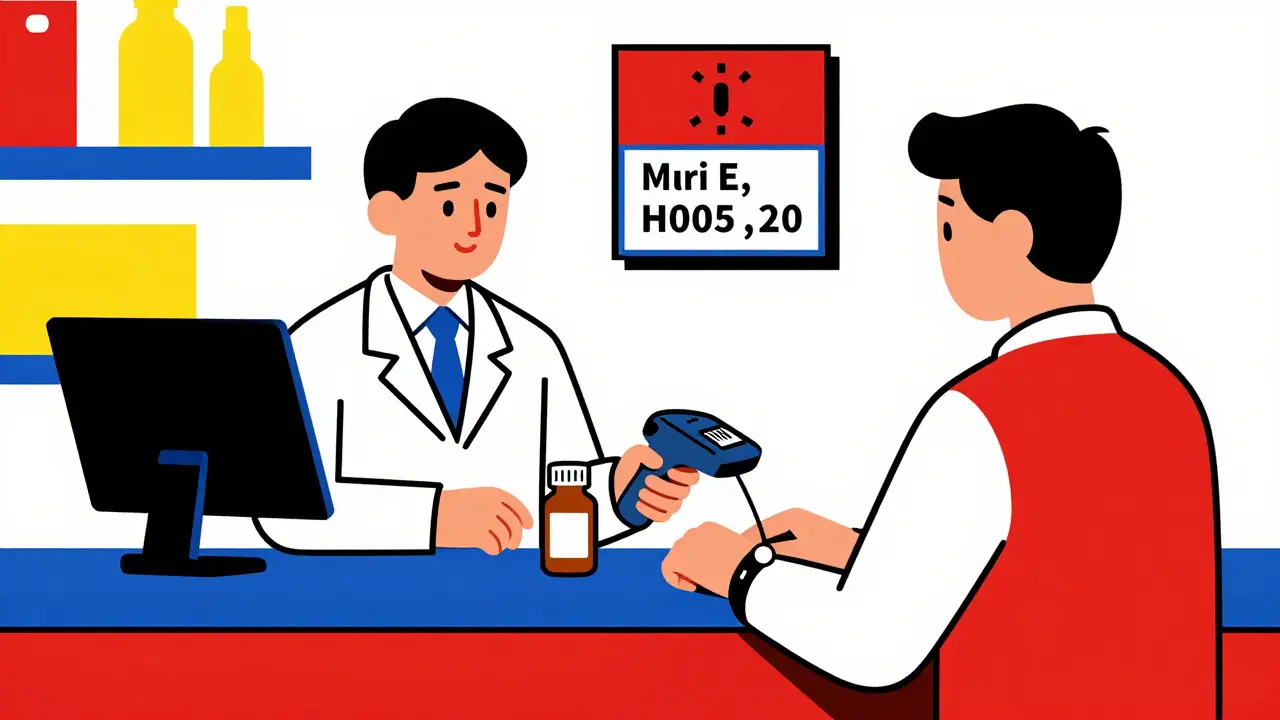
Using two patient identifiers in the pharmacy prevents deadly medication errors. Learn how name, date of birth, and barcode systems protect patients-and why skipping this step puts lives at risk.
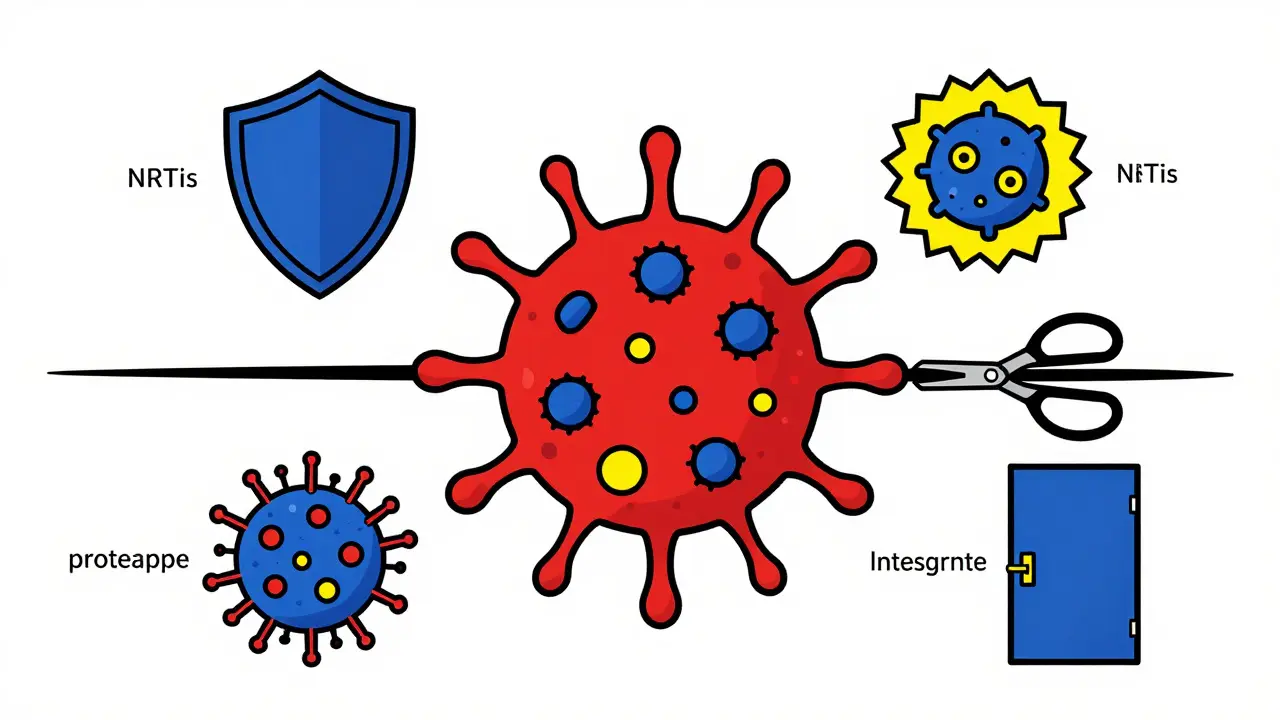
Antiretroviral HIV medications have transformed HIV into a manageable condition, but drug interactions and resistance remain serious risks. Learn how modern treatments work, why adherence matters, and what’s next for HIV care.