
Flushing chemotherapy drugs down the toilet isn't just wrong-it's putting your family's water supply at risk. Unlike regular medications, these cancer treatments require special handling to prevent dangerous exposure. Chemotherapy medication disposal is a specialized process for safely discarding cytotoxic drugs used in cancer treatment that pose significant risks to human health and the environment. Proper chemotherapy disposal is critical for protecting your family and environment.
According to the Environmental Protection Agency, detectable levels of cyclophosphamide-a common chemotherapy drug-were found in 67% of U.S. waterways in 2021. This contamination happens when people improperly dispose of these drugs by flushing them or throwing them in regular trash. The EPA strictly prohibits flushing any chemotherapy medication, even if it's on their general medication flush list for other drugs.
Why Chemotherapy Disposal is Different
Chemotherapy drugs aren't like your typical painkillers or antibiotics. They're designed to kill fast-growing cells, which includes cancer cells-but they can also harm healthy cells. This means even tiny amounts left in the environment or handled carelessly can cause serious health problems. The Cancer Institute of New Jersey (CINJ) 2022 guidelines explain that these drugs are "genotoxic," meaning they can damage DNA. This makes them dangerous not just to patients but also to caregivers, waste workers, and the environment.
For example, chemotherapy drugs can stay active in urine, feces, or sweat for up to 72 hours after treatment. The American Cancer Society warns that accidental exposure during this time can lead to skin irritation, reproductive issues, or even cancer in others. Unlike regular medications that can be safely disposed of in household trash, chemotherapy requires strict protocols to prevent exposure. Stericycle's 2022 report found that 41% of patients improperly dispose of chemotherapy compared to 29% for regular drugs, highlighting the urgent need for clear guidance.
Step-by-Step Disposal Guide
Here's how to safely dispose of chemotherapy medications at home:
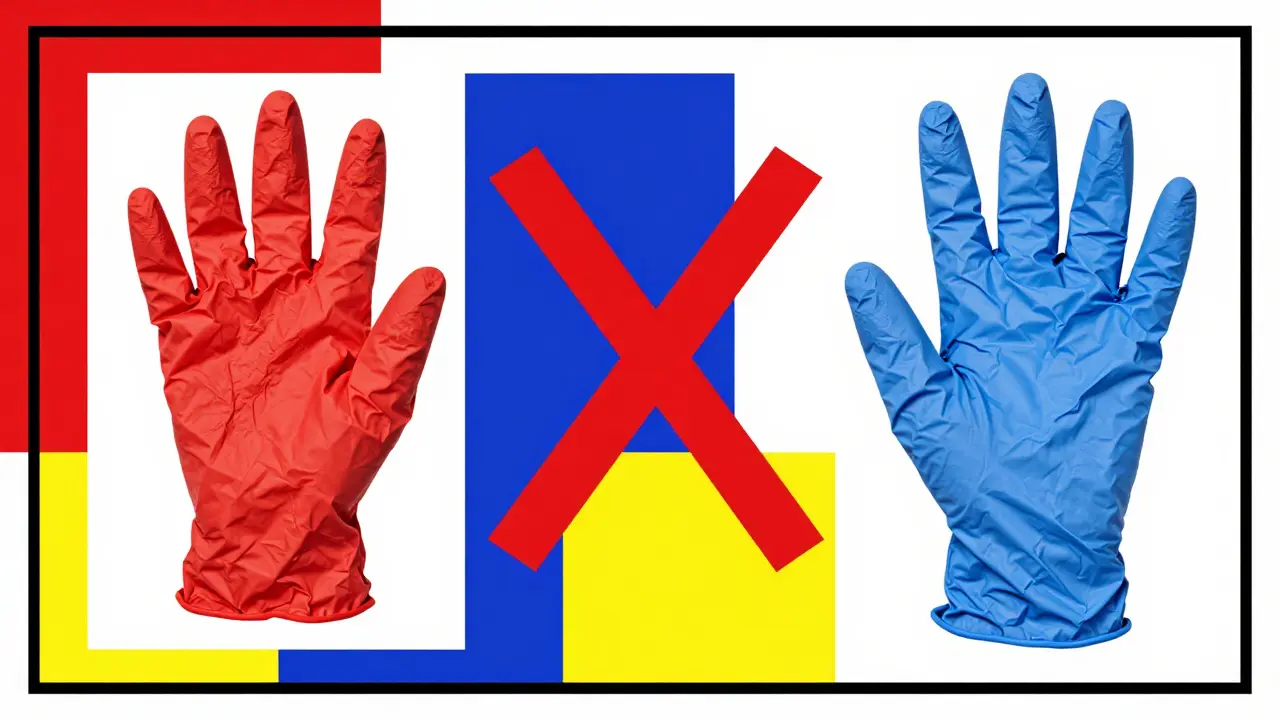
- Wear nitrile gloves (0.07-0.15mm thick) when handling any chemotherapy drugs or contaminated items. Latex gloves won't protect you.
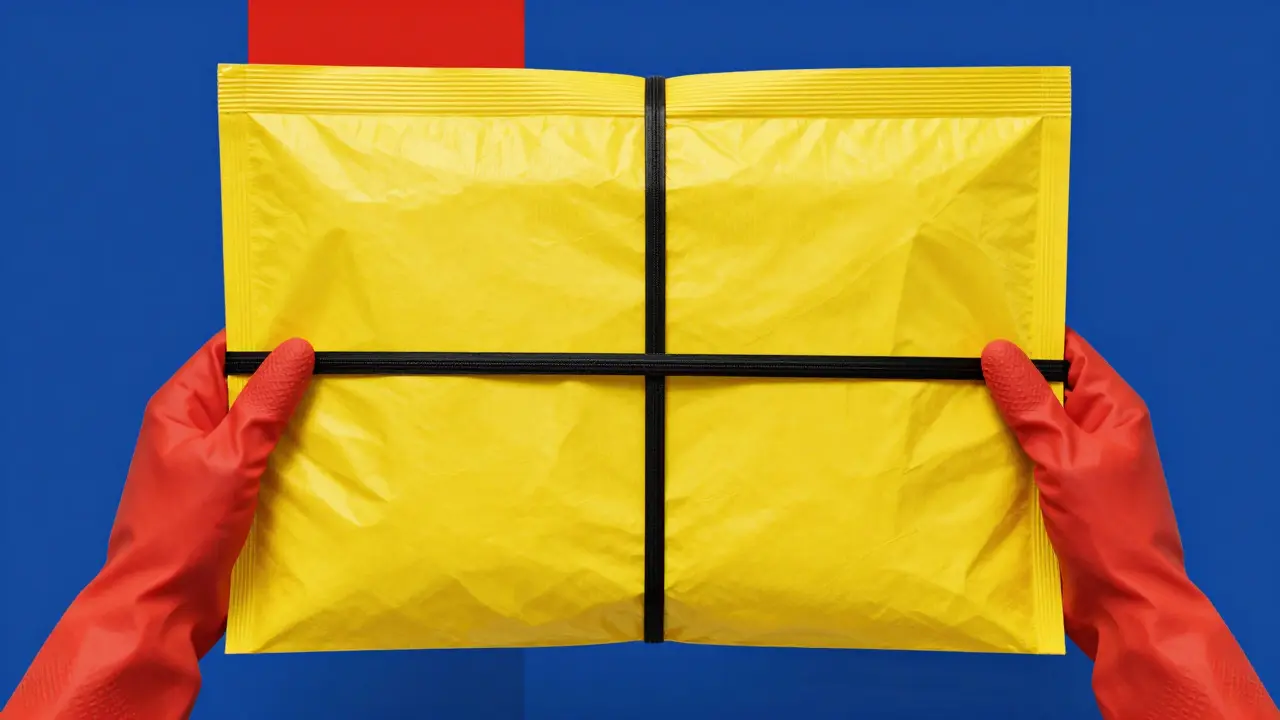
- For liquid medications, pour them into a leak-proof plastic bag (1.5 mil thickness or thicker). Seal the inner bag with a zip-tie or heat seal before placing it in a second identical bag.
- Place solid waste like empty pill bottles or used syringes into a yellow hazardous waste container. Many healthcare providers supply these.
- Never crush oral chemotherapy pills. This can release dangerous powder into the air. Instead, dispose of whole pills in the hazardous waste container.
- For transdermal patches, fold them with adhesive sides together before placing them in the hazardous waste container. This prevents accidental contact with the drug residue.
- After treatment, continue handling all waste carefully for 48-72 hours. This includes gloves, tissues, and any items that may have come in contact with bodily fluids.
- Never flush chemotherapy drugs down the toilet or sink. The FDA explicitly prohibits this for all chemotherapy medications.
Mayo Clinic pharmacist Troy Taylor notes that "proper double-bagging reduces exposure risk by 92% compared to single-bag methods" based on 2021 safety testing. Always follow your healthcare provider's specific instructions-they'll give you a disposal kit with the right supplies.
Common Mistakes to Avoid
Many patients make dangerous errors when disposing of chemotherapy drugs. Here are the most common mistakes:
- Flushing drugs down the toilet. This contaminates waterways and is strictly prohibited by the FDA and EPA.
- Using single plastic bags. This doesn't prevent leaks. Double-bagging is mandatory for liquids.
- Using latex gloves instead of nitrile. Chemotherapy drugs can penetrate latex, leaving you exposed.
- Crushing pills. This releases toxic dust into the air, risking inhalation.
- Throwing waste in regular trash. Hazardous chemotherapy waste must go into approved containers, not household bins.
- Not wearing gloves during cleanup. Even small spills can cause skin exposure.
According to CancerCare's 2022 patient survey, 68% of patients needed multiple training sessions with oncology nurses to correctly perform disposal procedures. It's easy to make mistakes-always ask for help if unsure.
Safe Disposal Alternatives
While home disposal is common, there are safer options:
- MedDrop kiosks: Stericycle operates 1,842 MedDrop kiosks across 47 states as of September 2023. These accept certain chemotherapy medications but only 63% of cancer drugs are eligible. Check their website for specific drugs.
- Mail-back programs: Some healthcare providers offer special mail-back envelopes for chemotherapy waste. However, only 28% of U.S. pharmacies provide these, according to a 2022 survey by the American Society of Health-System Pharmacists.
- Healthcare provider kits: Most oncology clinics supply disposal kits with gloves, bags, and containers. Replacement kits cost about $15.75 per month on average.
- Community take-back events: Some local pharmacies or hospitals host drug disposal events. However, only 12% of these events accept chemotherapy waste due to handling concerns.
Important note: The Deterra Drug Deactivation System is not approved for chemotherapy drugs. Their website states it's "not approved for hazardous chemotherapy agents." Stick to approved methods only.
Frequently Asked Questions
Can I flush chemotherapy drugs down the toilet?
Never. The FDA explicitly prohibits flushing any chemotherapy medication. Even drugs on the FDA's flush list for regular medications are unsafe to flush when they're chemotherapy agents. The EPA found detectable levels of cyclophosphamide in 67% of U.S. waterways due to improper disposal.
What type of gloves should I use for chemotherapy disposal?
Nitrile gloves with 0.07-0.15mm thickness. Latex gloves aren't sufficient because chemotherapy drugs can penetrate them. This requirement comes from the Cancer Institute of New Jersey's 2022 guidelines.
How long after treatment should I handle waste carefully?
For 48-72 hours after taking chemotherapy, as active compounds can remain in urine, feces, or sweat during this period. Always wear gloves when handling contaminated items.
Can I use Deterra System for chemotherapy disposal?
No. The Deterra System is explicitly stated on their website as not approved for hazardous chemotherapy agents. It's only certified for conventional medications.
What should I do if I spill chemotherapy medication?
Follow the 15-step spill cleanup procedure from the CINJ 2022 guidelines. Wear full PPE (gloves, gown, face shield, mask), use dedicated disposable cloths, and place all contaminated materials in a hazardous waste container. Never clean spills with regular household products.
Are there any disposal programs specifically for chemotherapy?
Yes. Stericycle's MedDrop kiosks accept certain chemotherapy drugs across 47 states. However, only 63% of chemotherapy medications are accepted by these kiosks. Some healthcare providers also offer mail-back disposal programs with special envelopes.
How can I get proper disposal supplies?
Most oncology clinics supply initial disposal kits, including nitrile gloves and leak-proof bags. Replacement kits typically cost around $15.75 per month. Always ask your healthcare provider for these supplies.
What happens if I don't dispose of chemotherapy properly?
Improper disposal can lead to environmental contamination, accidental exposure to family members, and even harm to waste handlers. Stericycle's 2022 report found 41% of patients improperly dispose of chemotherapy compared to 29% for regular drugs, highlighting the urgent need for correct protocols.
Comments (10)
Laissa Peixoto
February 6, 2026 AT 12:55
Proper disposal of chemotherapy drugs isn't just about following rules-it's about safeguarding our environment and future generations.
The EPA's findings of cyclophosphamide in 67% of waterways show how serious this is.
Double-bagging liquids reduces exposure risk by 92%, as Mayo Clinic notes.
We all have a role in preventing contamination.
It's a small step with massive ripple effects.
Andre Shaw
February 7, 2026 AT 14:41
Flushing chemo meds is totally fine.
The EPA's data is cherry-picked.
Real science shows no harm from trace amounts.
They're just pushing 'proper disposal' to sell expensive kits.
Don't fall for it!
Tehya Wilson
February 7, 2026 AT 23:19
Chemotherapy disposal must be precise.
Incorrect disposal hazardous.
Follow guidelines.
Avoid flushing.
jan civil
February 9, 2026 AT 07:29
Double-bagging liquids reduces risk by 92%.
Important step.
Also, nitrile gloves are essential-latex doesn't block chemo drugs.
Good info here.
lance black
February 10, 2026 AT 15:46
Always double-bag liquids and use nitrile gloves-never flush.
Thorben Westerhuys
February 11, 2026 AT 09:01
Oh my goodness! I can't believe how dangerous it is to flush chemo meds!
It's so important to double-bag liquids, and use nitrile gloves-latex is completely inadequate!
And never crush pills-so dangerous!
Please, everyone, follow these steps to protect your family!
Lana Younis
February 12, 2026 AT 23:48
Hey folks, proper chemo disposal is super important.
Flushing it is a no-no, and you gotta double bag liquids.
Nitrile gloves are a must-latex won't cut it.
I've seen some people mess up, but it's easy to learn.
Stay safe!
one hamzah
February 13, 2026 AT 22:41
This is so important! 💡 Proper disposal keeps our water clean.
Always double-bag liquids 🌊 and use nitrile gloves 🧤.
Never flush! 🙅♂️ Let's take care of each other! ❤️
Matthew Morales
February 14, 2026 AT 08:57
Totally agree with the guidelines! Double-bagging is key.
Also, nitrile gloves > latex.
I always forget to wear them but will start now. 😅
Diana Phe
February 14, 2026 AT 09:23
The FDA and EPA are lying about the water contamination.
This is all a government ploy to control us.
They want us to believe chemo disposal is dangerous so we'll rely on their 'approved' methods.
Real truth is they're hiding the real dangers.
Don't trust the system!