Category: Medications - Page 3
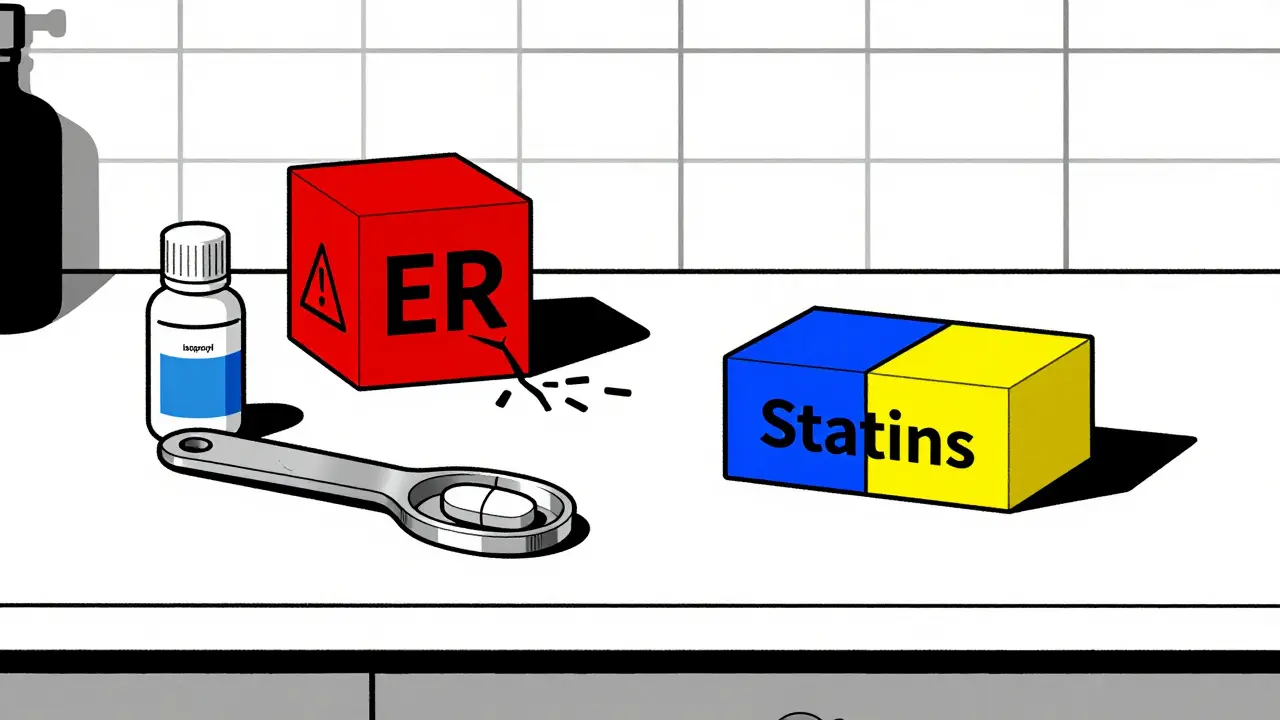
Learn how to safely split or crush pills without risking contamination, uneven doses, or exposure to hazardous drugs. Essential tips for caregivers, patients, and healthcare workers.
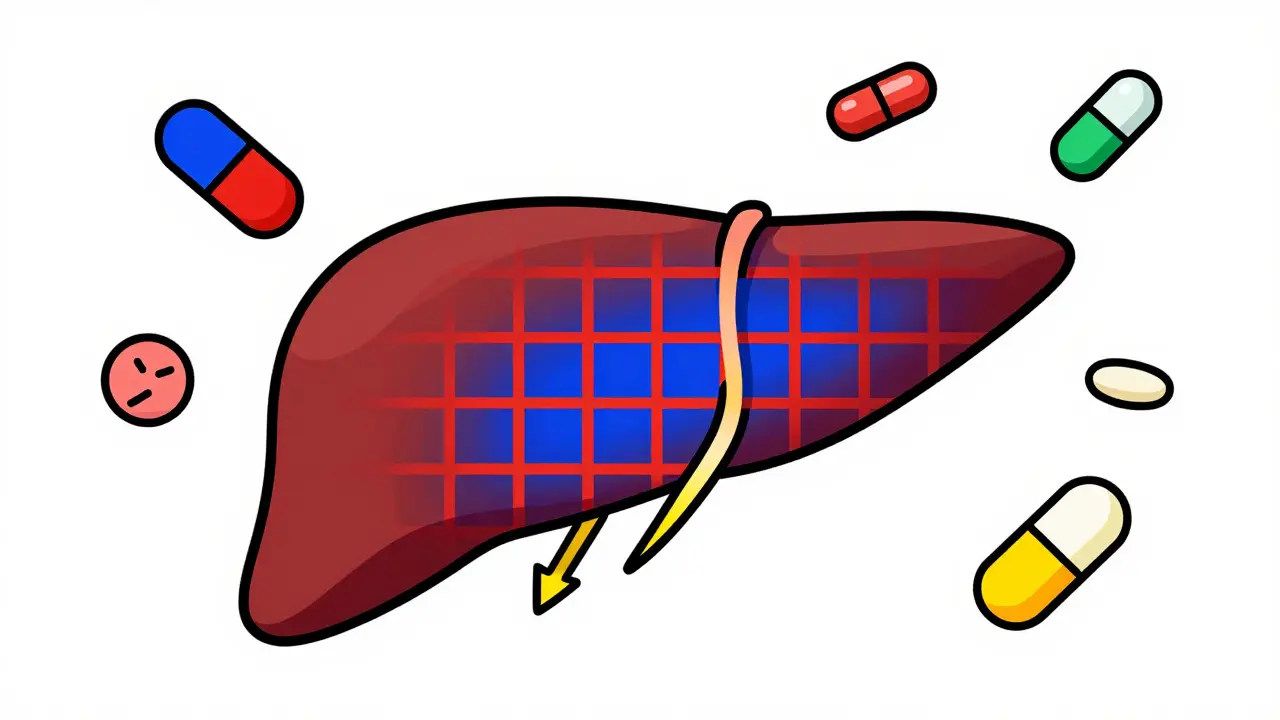
Mild liver enzyme elevations from medications like statins or acetaminophen are common and usually harmless. Learn when to worry, when to ignore, and how to avoid stopping essential meds unnecessarily.

Night shift fatigue causes dangerous medication errors. Learn how sleep deprivation affects your brain, which drugs make it worse, and simple, proven steps to protect patients and yourself.
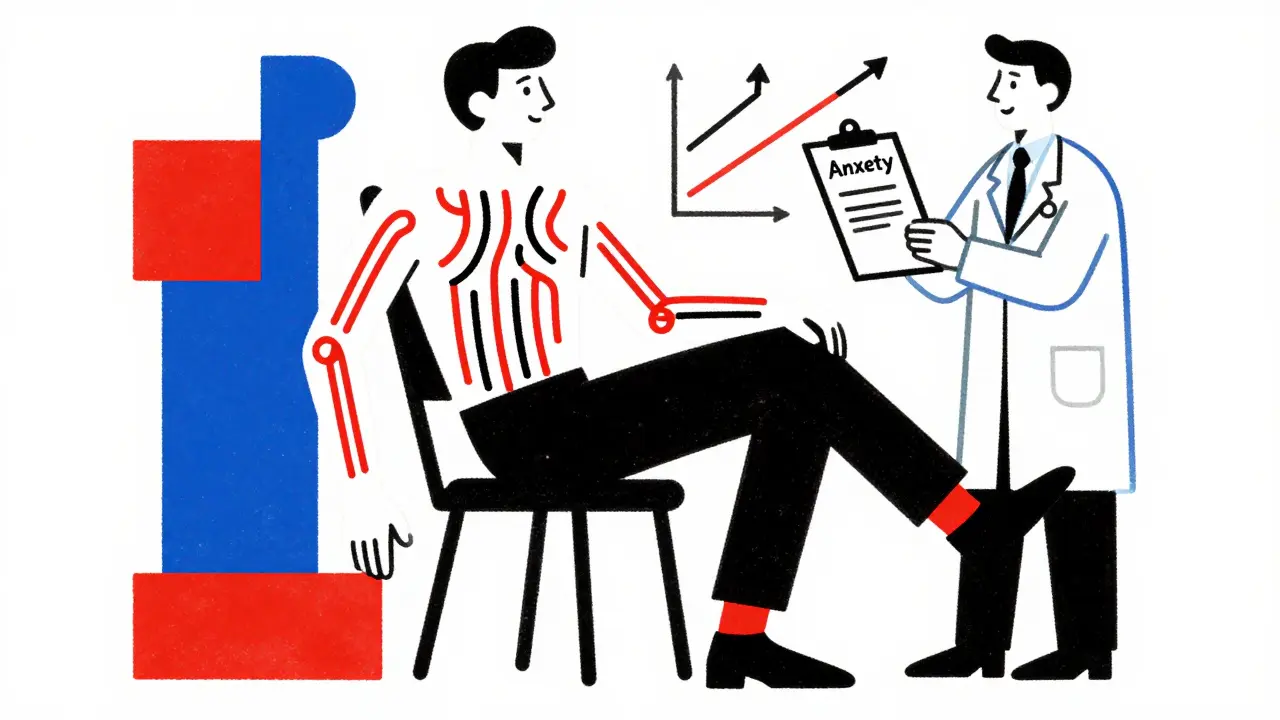
Learn how to tell apart medication-induced akathisia and restless legs syndrome, why misdiagnosis is dangerous, and what treatments actually work. Get practical steps for patients and caregivers.
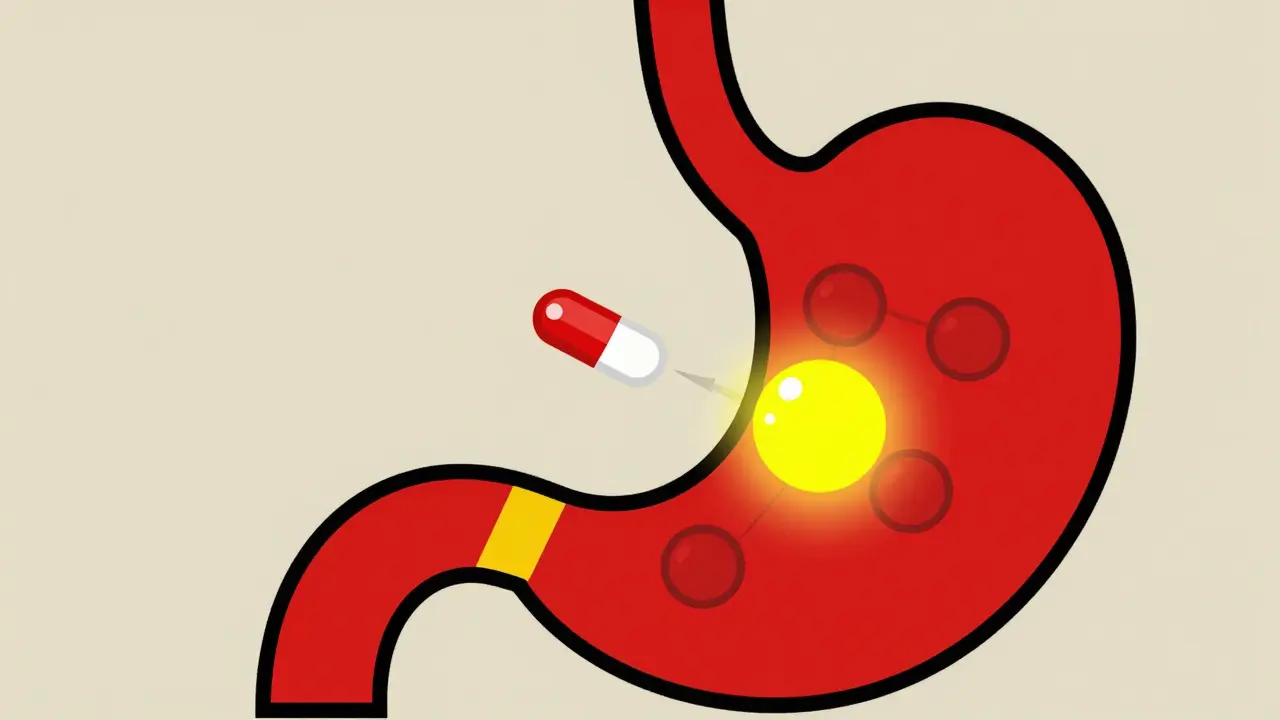
Proton pump inhibitors can block the absorption of key antifungals like itraconazole, leading to treatment failure. Learn which antifungals are affected, how to fix it, and what new options are available.
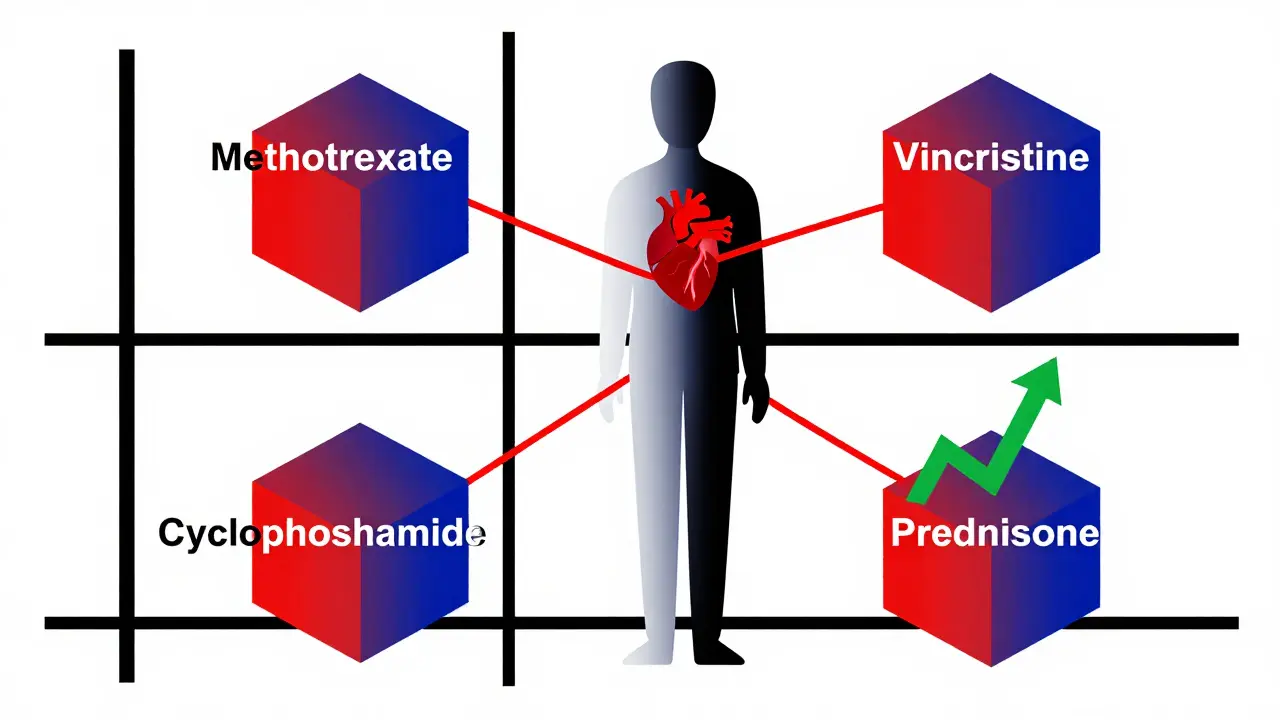
Cancer medication combinations pose unique bioequivalence challenges for generics. Small differences in drug absorption can alter treatment outcomes. Learn why substitution risks are higher in combo regimens and how regulators, hospitals, and patients are adapting.

Switching from brand-name drugs to generics often lowers costs but can hurt adherence due to pill appearance changes and patient mistrust. Learn proven strategies to improve medication compliance during transitions.
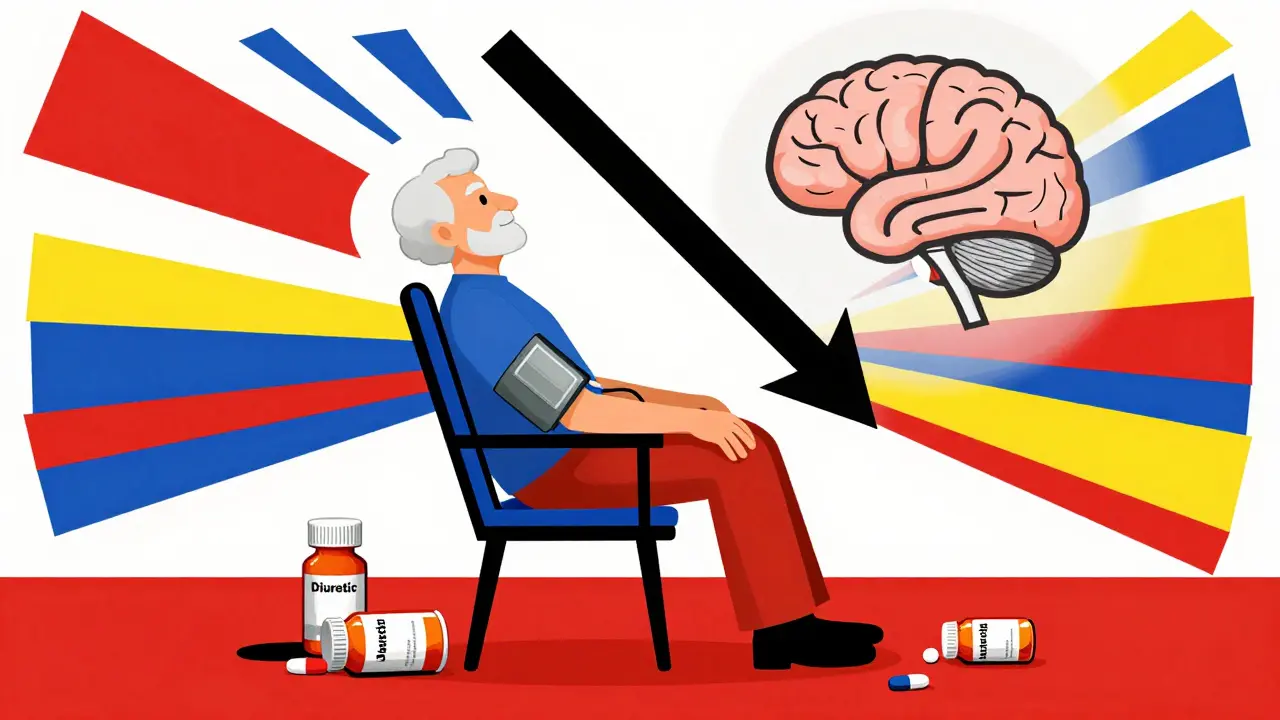
Dizziness when standing up may be caused by medications like antipsychotics, diuretics, or blood pressure drugs. Learn how common this side effect is, which pills are most likely to cause it, and how to fix it safely.
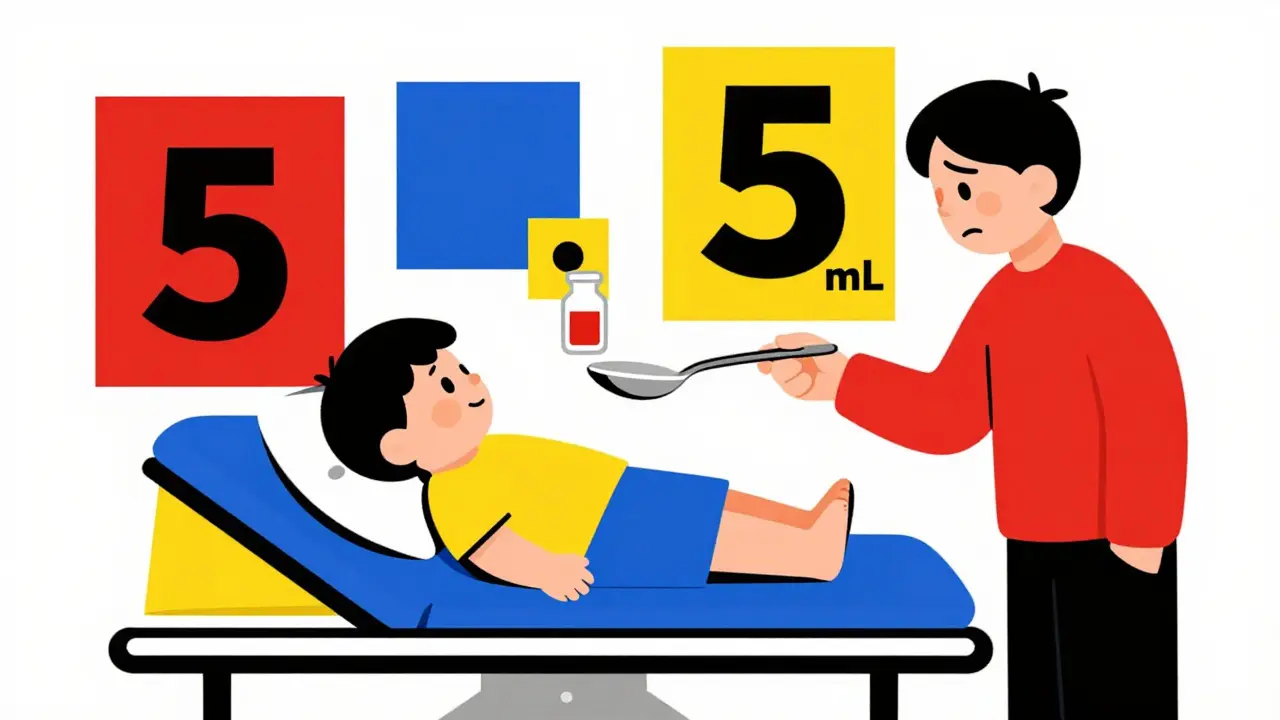
Pediatric medication errors are far more common than most realize, with 31% of emergency cases involving mistakes. Learn the real causes, hidden risks, and proven fixes that are saving children's lives today.
6 Jan
2026

Folic acid is essential during pregnancy to prevent birth defects, but it can interact dangerously with seizure meds, autoimmune drugs, and even iron. Learn what doses are safe, which supplements to avoid, and how to take folic acid correctly.