Author: Malcolm Oliver Kab - Page 2
8 Mar
2026
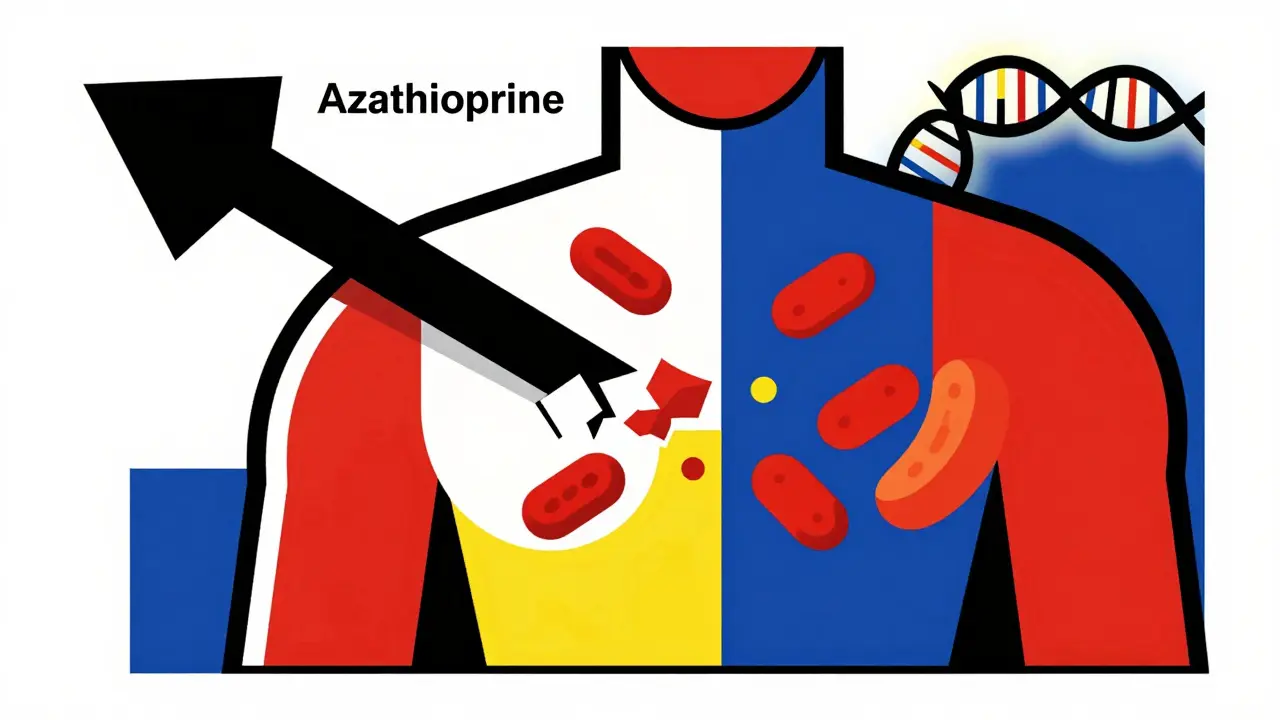
Azathioprine is an affordable immunosuppressant, but up to 1 in 300 people have a genetic flaw that makes it life-threatening. TPMT and NUDT15 testing can prevent severe blood cell crashes-here's how it works and what you need to know.
5 Mar
2026
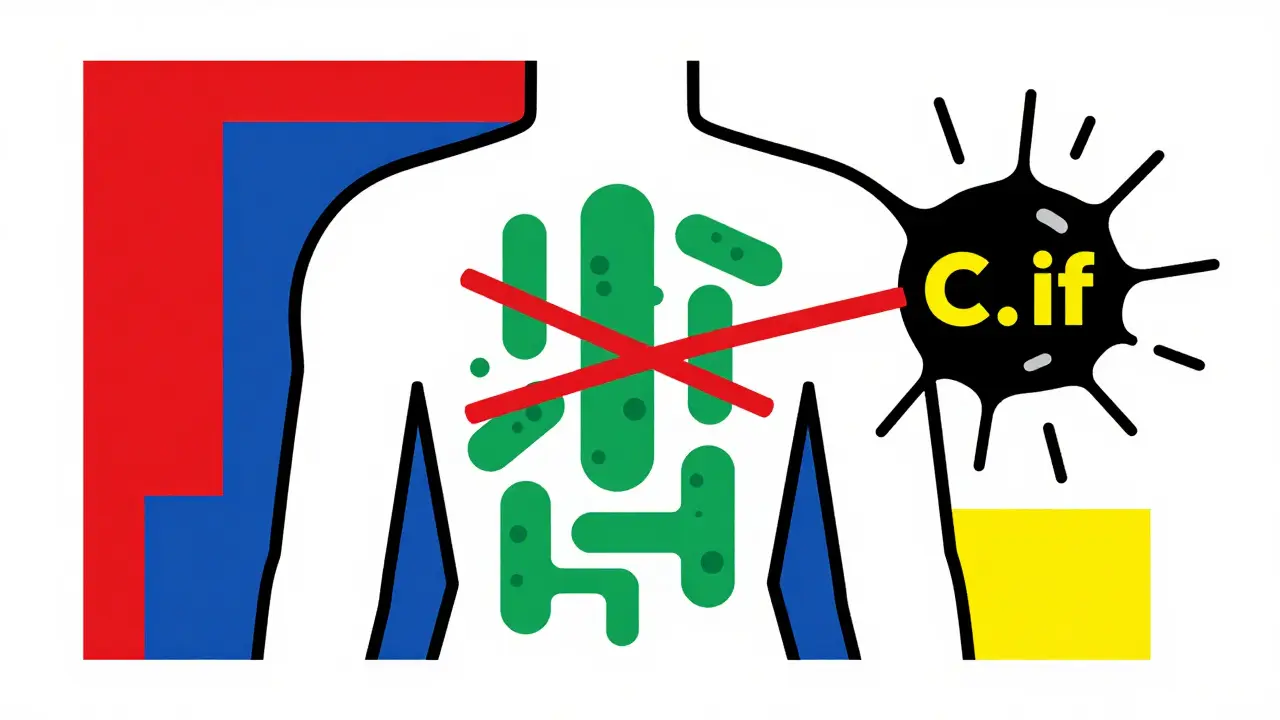
Clostridioides difficile (C. diff) is a dangerous infection triggered by antibiotics, causing severe diarrhea and colitis. Learn how it spreads, who’s at risk, how it’s treated today, and why prevention starts with smart antibiotic use.
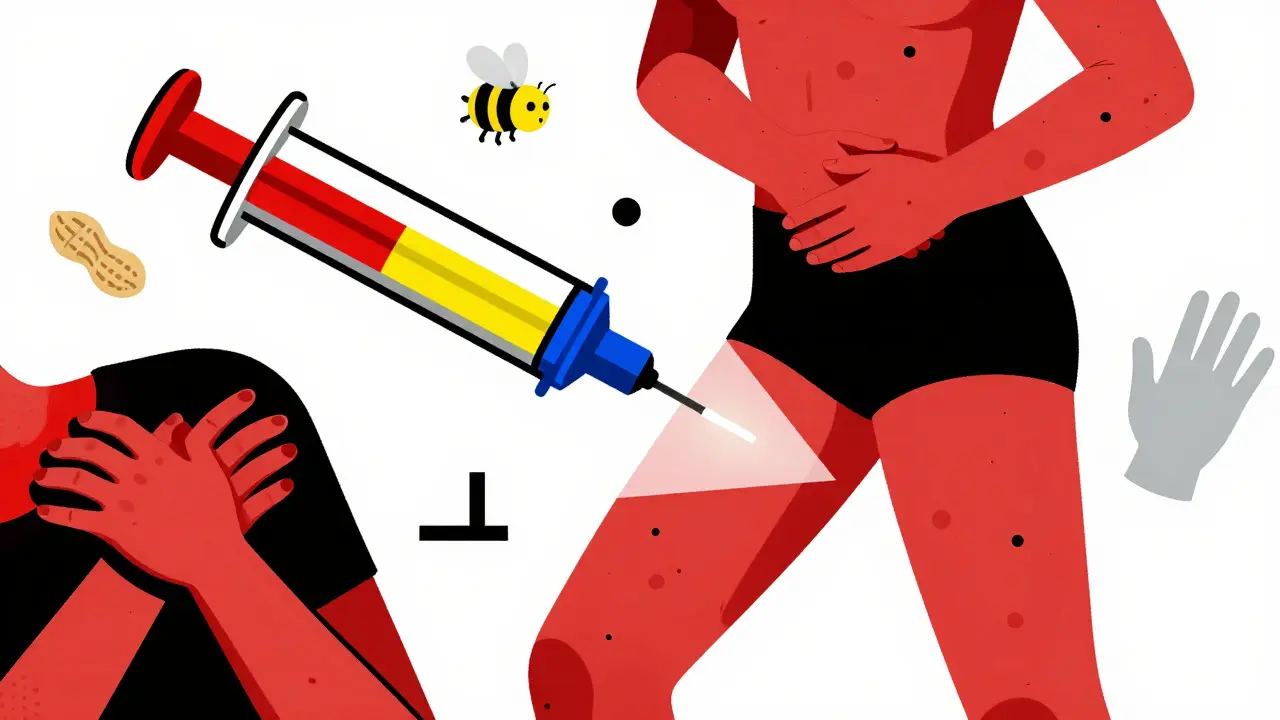
Anaphylaxis is a life-threatening allergic reaction that requires immediate epinephrine. Learn the symptoms, how to use an auto-injector, why delays are deadly, and what new treatments are available.

After picking up your prescription, confirming pharmacist counseling notes is critical to avoid medication errors. Learn how to access, verify, and keep track of your counseling points using simple, proven steps.
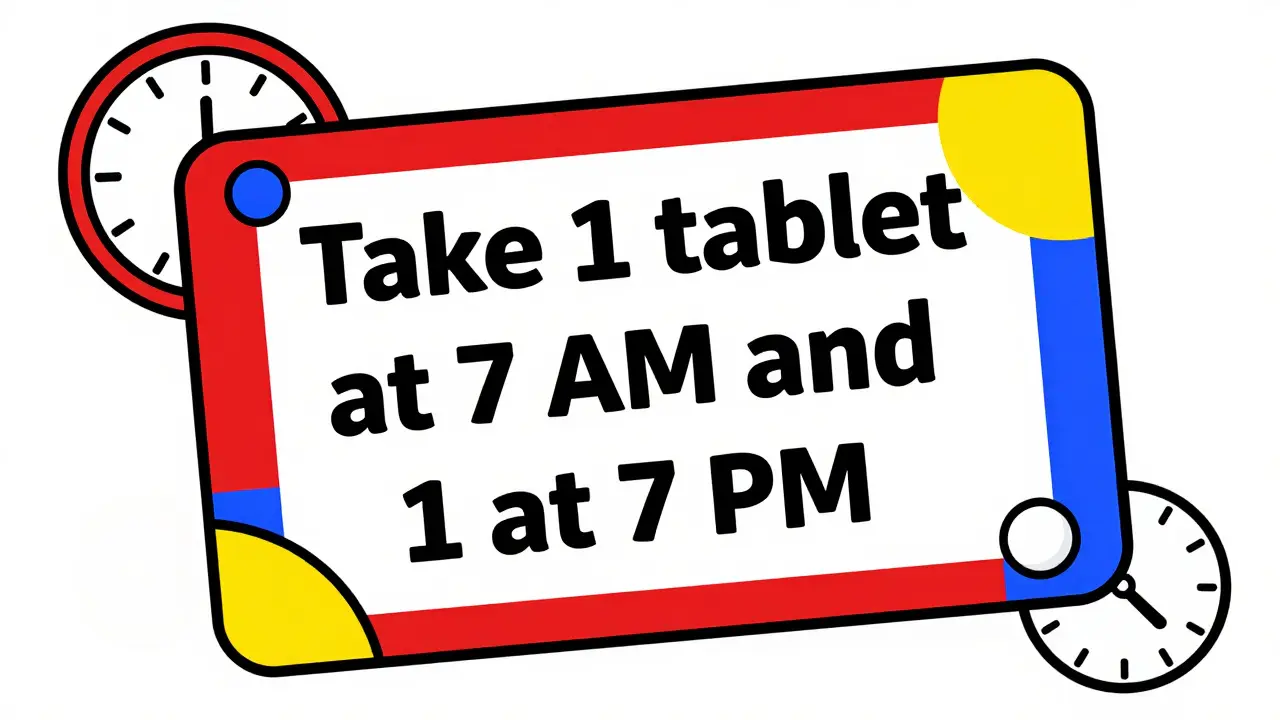
Learn how to read prescription labels correctly to avoid dangerous dosing mistakes. Discover why vague terms like 'twice daily' are risky, how to measure liquids safely, and what to ask your pharmacist for clearer instructions.
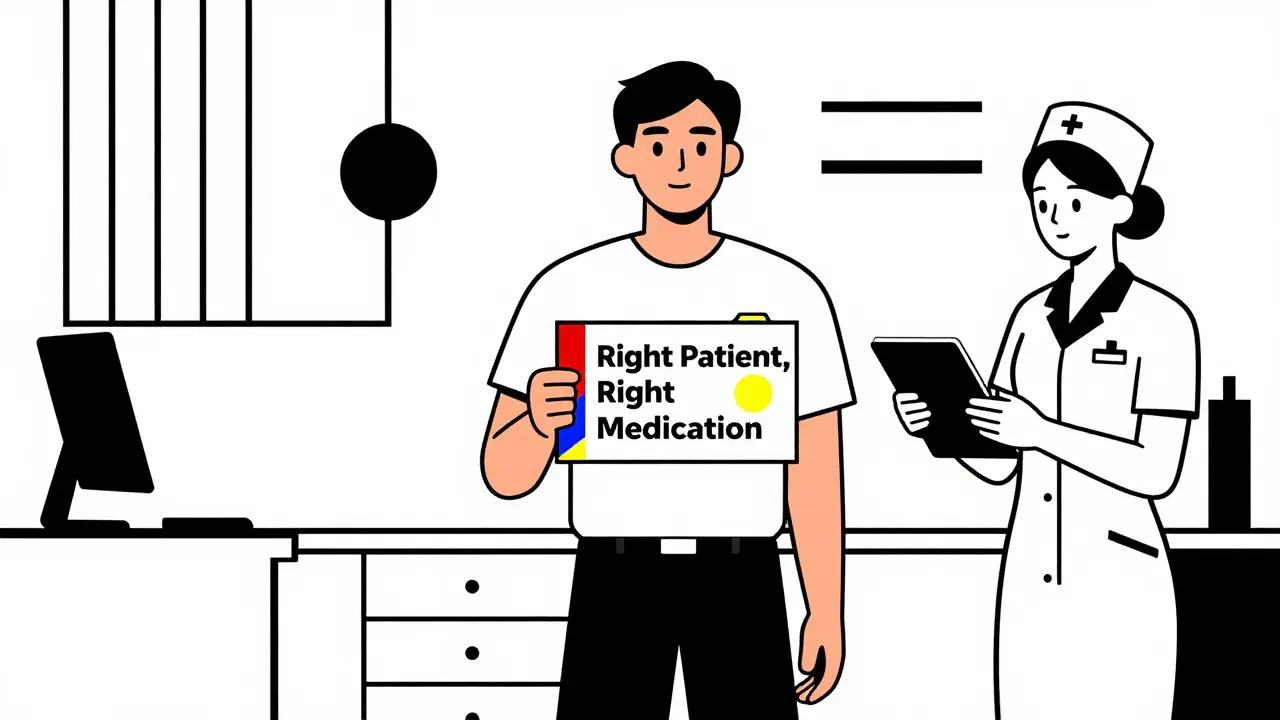
Learn the key medication safety terms every patient should know-from the Eight Rights to adverse drug events-to prevent dangerous mistakes and take control of your health. Simple, actionable, and backed by real data.
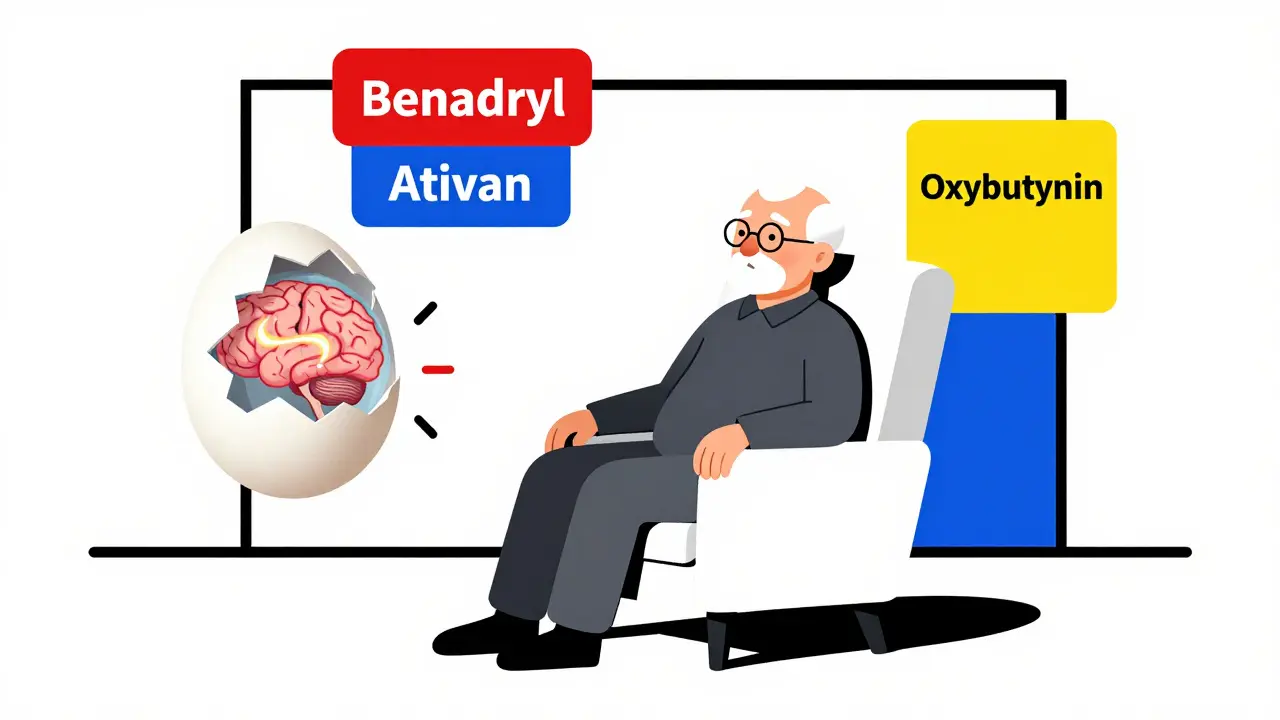
Medication-induced delirium is a sudden, dangerous confusion in older adults caused by common drugs like Benadryl, benzodiazepines, and opioids. Learn the signs, top risky medications, and proven prevention strategies to protect seniors.
13 Feb
2026
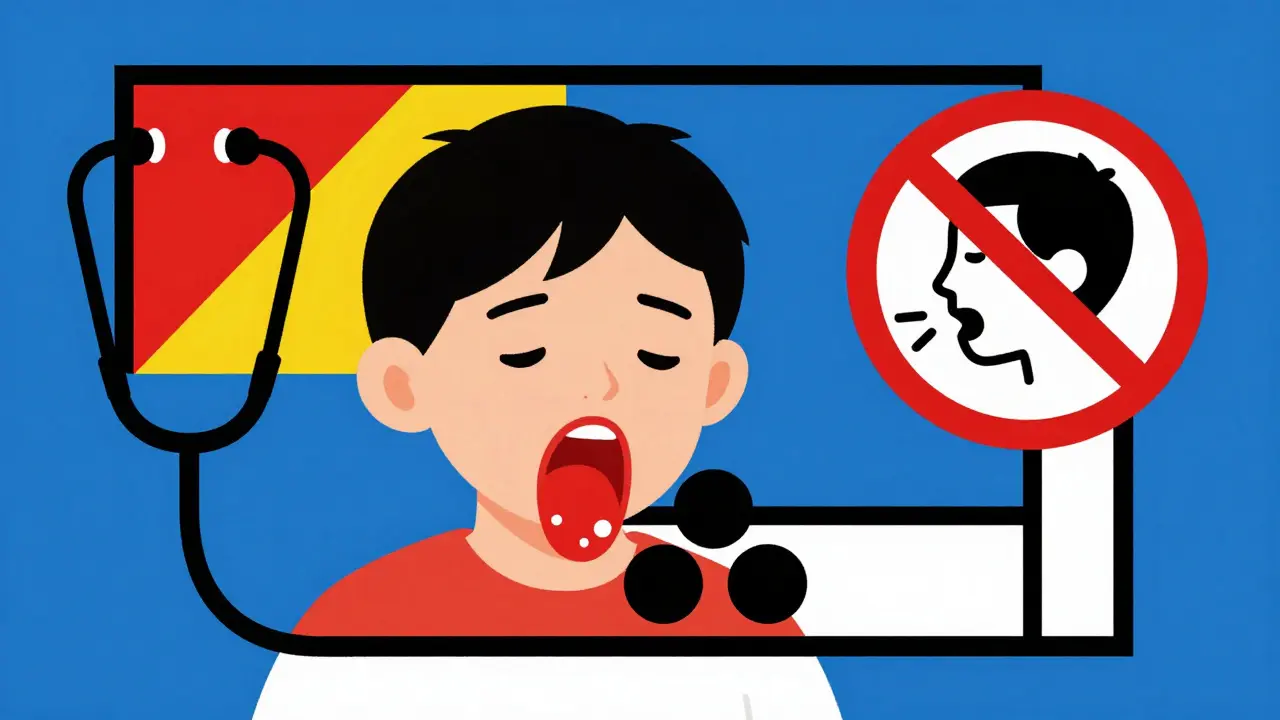
Strep throat is a bacterial infection that requires antibiotics to prevent serious complications. Learn how it's diagnosed, which antibiotics work best, and what to expect during recovery - including how long you're contagious and why finishing your full course matters.
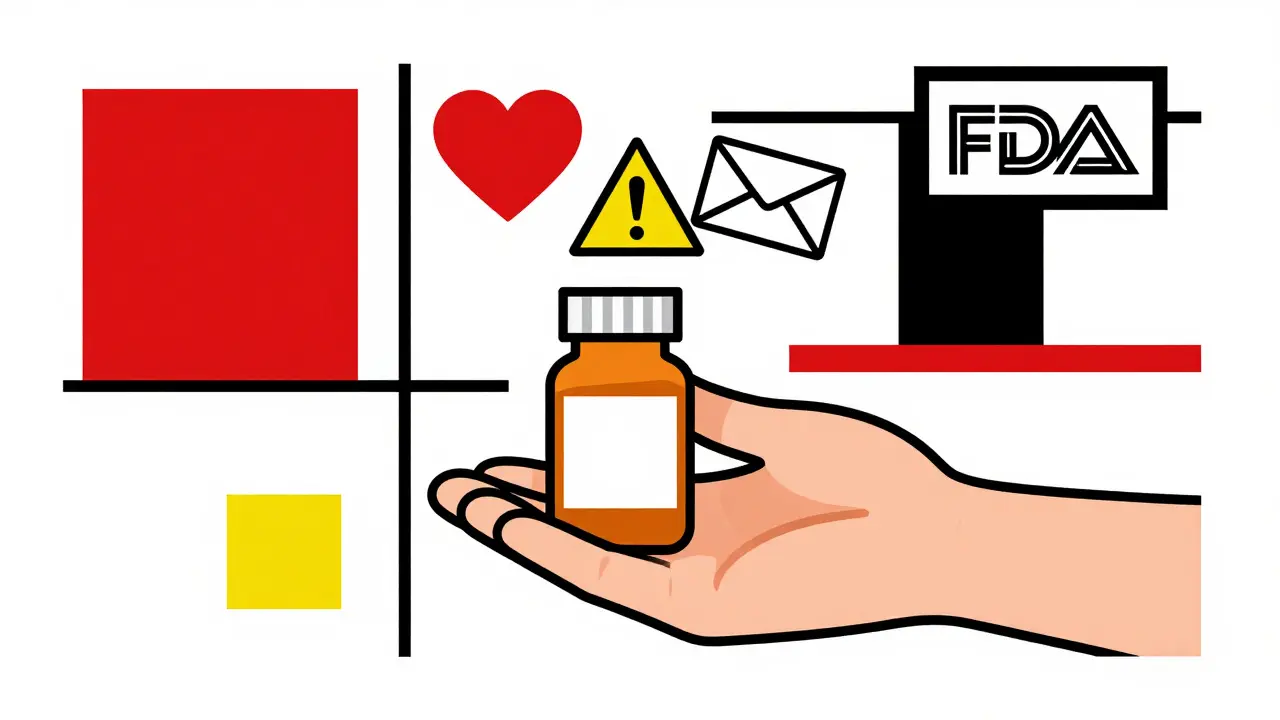
Learn how to use FDA resources like MedWatch and Drug Safety Communications to stay informed about drug recalls and safety alerts. Get practical steps to sign up for alerts, report side effects, and protect yourself and your loved ones.
In 2024, the FDA approved 50 new drugs, including breakthrough treatments for Alzheimer’s, schizophrenia, and opioid overdose. Learn how their safety profiles compare, what side effects to watch for, and what’s coming in 2025.