External Reference Pricing: How Other Countries Control Drug Costs
External reference pricing, a system where governments set drug prices by comparing costs in other countries. Also known as international price referencing, it’s how places like Canada, the UK, and Germany keep prescription costs low while still letting drugmakers sell their products. The idea is simple: if a pill costs $50 in France and $60 in Germany, the U.S. shouldn’t be paying $150 for the same thing. This isn’t about controlling innovation—it’s about stopping price gouging.
It’s not magic. Countries that use external reference pricing don’t just pick one neighbor and copy their price. They look at a basket of 7 to 10 similar nations, often based on income level, healthcare system, and population size. Then they set a ceiling—sometimes the median, sometimes the lowest. That’s why you’ll see the same insulin or blood pressure pill priced at a fraction of what Americans pay. It’s not because those countries get better deals from manufacturers. It’s because the rules are different.
This system doesn’t exist in a vacuum. It connects directly to how drug pricing works in the U.S., where no such comparison is legally required. It also ties into medication costs for patients who struggle to afford prescriptions—even with coupons or generics. And it’s why international drug pricing keeps coming up in policy debates. When a drug’s price jumps 10% in the U.S. but stays flat in the UK, it’s not a coincidence. It’s a design flaw in our system.
Some critics say external reference pricing slows down new drug development. But the data doesn’t back that up. Countries using it still get new medicines, often within months of U.S. approval. What’s different is the price tag. The real issue isn’t access to drugs—it’s access to affordable drugs. And for millions of Americans, that gap is growing.
What you’ll find in the posts below are real-world examples of how pricing affects what’s on your shelf. From how generics compete under Hatch-Waxman rules to how coupons and prior authorizations hide the true cost, these stories show the system at work. You’ll see how patients in other countries get the same meds for less, why some drugs vanish from shelves when prices are capped, and how manufacturers respond when their profit margins get squeezed. This isn’t theory. It’s what’s happening right now—with real people, real bills, and real consequences.
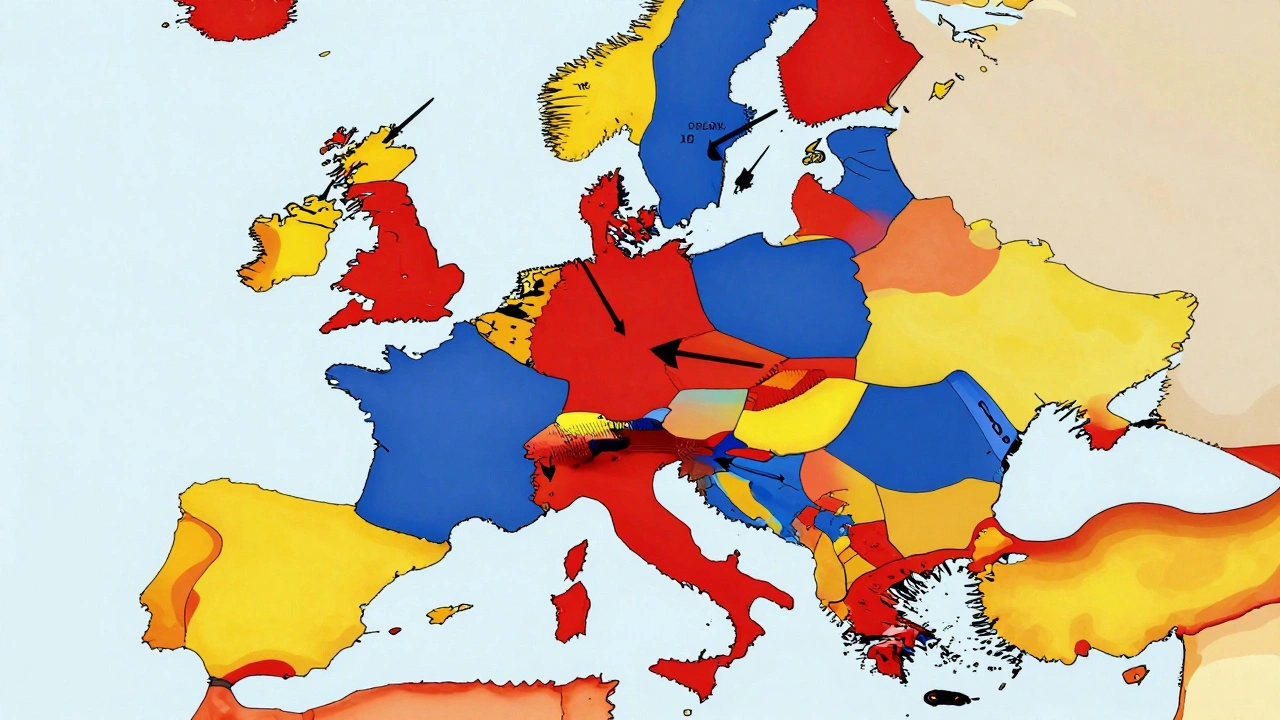
International reference pricing helps countries set lower prices for generic drugs by comparing costs across nations. Learn how it works, which countries use it, and why some face shortages while others save billions.