Drug Tolerance: What It Is, Why It Happens, and How to Manage It
When your body gets used to a medication and it stops working like it used to, you’re dealing with drug tolerance, a physiological adaptation where repeated use of a substance reduces its effectiveness over time. Also known as pharmacological tolerance, it’s not about addiction—it’s about biology. This happens with painkillers, antidepressants, blood pressure meds, even sleep aids. If you’ve ever felt like your prescription isn’t doing what it used to, you’re not imagining it.
Drug tolerance isn’t random. It’s tied to how your cells respond over time. With opioids, your brain reduces the number of receptors that bind to the drug. With benzodiazepines, your neurons become less responsive to the calming signal. Even common drugs like proton pump inhibitors and beta-blockers can trigger this. It’s not weakness. It’s your body trying to stay balanced. And when tolerance builds, stopping suddenly can trigger withdrawal symptoms, a set of physical and mental reactions that occur when a drug is reduced or stopped after prolonged use—things like anxiety, sweating, insomnia, or even seizures in severe cases. That’s why doctors never just cut these meds cold turkey.
Some drugs are more likely to cause tolerance than others. Opioids, stimulants, and sedatives top the list. But even everyday meds like antihistamines or nasal sprays can lead to reduced effectiveness. What’s tricky is that tolerance doesn’t always mean you need a higher dose. Sometimes, the solution is switching to a different class of drug, taking breaks (under medical supervision), or combining treatments. For example, people on long-term pain meds might add physical therapy or non-opioid alternatives to reduce reliance. And if you’re on an SSRI and feel like it’s lost its punch, your doctor might adjust timing, dose, or try a different serotonin-targeting drug.
There’s a big difference between tolerance and dependence. Tolerance is about needing more for the same effect. Dependence means your body relies on the drug to function normally. You can have one without the other. But when they show up together, it’s a red flag that needs professional attention. That’s why tracking your meds and talking openly with your provider matters. Don’t assume you need more—ask if there’s a better way.
What you’ll find in the posts below are real stories and science-backed facts about how your body reacts to medications over time. From insulin and blood pressure drugs to sleep aids and pain relievers, these articles show you exactly when tolerance kicks in, how to spot it early, and what steps actually work to manage it safely. No fluff. No guesswork. Just what you need to know to stay in control of your treatment.
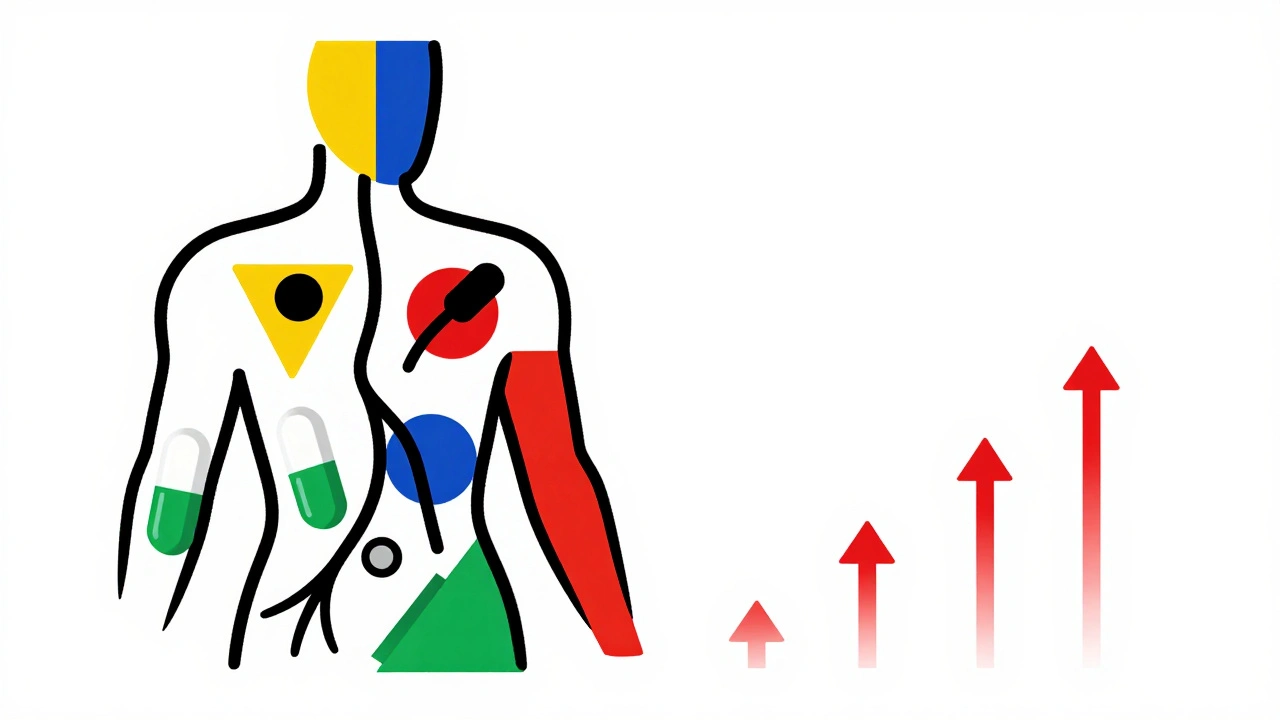
Opioid tolerance means your body adapts to the drug, requiring higher doses for the same pain relief. This biological response increases overdose risk, especially after periods of abstinence. Learn why doses rise, how it differs from addiction, and what to do next.