Catheter Ablation: What It Is, How It Works, and What to Expect
When your heart skips, races, or flutters out of rhythm, catheter ablation, a minimally invasive procedure that targets abnormal heart tissue causing irregular beats. Also known as cardiac ablation, it’s one of the most effective ways to treat arrhythmia without lifelong medication. This isn’t open-heart surgery. A thin, flexible tube — a catheter — is threaded through a vein in your groin or neck, guided to your heart using real-time imaging, and then delivers precise energy to destroy the small areas of tissue triggering the faulty signals.
It’s not for every type of irregular heartbeat, but it works well for common ones like atrial fibrillation, supraventricular tachycardia, and some forms of ventricular tachycardia. The procedure relies on electrophysiology, the study of the heart’s electrical system to map exactly where the problem starts. Doctors use this map to zap only the bad spots, leaving healthy tissue alone. That’s why success rates are high — over 80% for many patients — and why many people go from feeling dizzy and tired to living normally within weeks.
People often worry about pain or long recovery, but most go home the same day or the next. You’ll feel some soreness at the insertion site, but serious complications like stroke or heart damage are rare. The real win? Many patients stop needing anti-arrhythmia drugs after a successful ablation. That means fewer side effects, lower costs, and more freedom to move, exercise, and sleep without fear of your heart acting up.
What you won’t find in every doctor’s office is a full picture of what happens before, during, and after. Some patients need more than one session. Others find relief quickly, while some still need meds afterward. That’s why real experiences matter — not just textbook definitions. Below, you’ll find practical guides from people who’ve been through it, comparisons with other treatments, and clear breakdowns of risks, recovery, and what to ask your cardiologist. Whether you’re considering the procedure, just had one, or are helping someone who did, these posts give you the no-fluff details you won’t get in a 10-minute consultation.
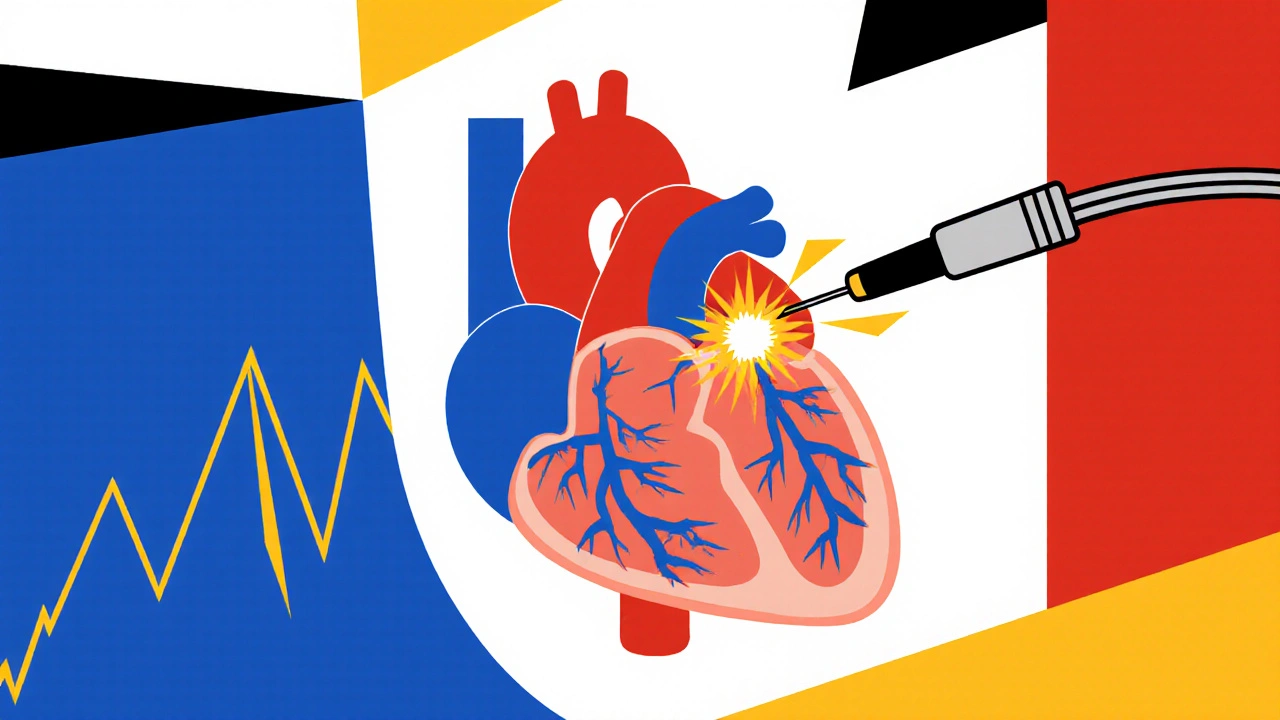
Catheter ablation and device therapy offer effective, minimally invasive solutions for heart rhythm disorders. Learn how they work, which is right for you, and why they’re becoming first-line treatments for atrial fibrillation and heart failure.