Aspirin Side Effects: What You Need to Know Before Taking It
When you take aspirin, a common over-the-counter pain reliever and blood thinner used to reduce fever, inflammation, and prevent heart attacks. Also known as acetylsalicylic acid, it’s one of the most widely used drugs in the world—but it’s not harmless. Many people think because it’s cheap and available without a prescription, it’s safe to take anytime. But that’s not true. Even low-dose aspirin, often taken daily for heart health, can cause serious problems if you don’t know the risks.
NSAID side effects, a category that includes aspirin and similar drugs like ibuprofen and naproxen, often hit the gut hardest. Stomach bleeding is the most dangerous side effect of long-term aspirin use. It doesn’t always come with warning signs like pain or nausea. Sometimes, it just shows up as unexplained fatigue, dark stools, or dizziness. People over 60, those with ulcers, or anyone on blood thinners are at higher risk. And if you drink alcohol regularly, your chances go up even more. Aspirin also interferes with your body’s natural clotting process, which is why it helps prevent heart attacks—but it also means cuts or bruises can bleed longer than normal.
Another common but often ignored side effect is ringing in the ears, or tinnitus. It’s not rare. If you start hearing a persistent buzz or hiss after taking aspirin, it could be your body telling you you’ve had too much. This usually goes away when you stop the drug, but if you ignore it, hearing damage can become permanent. Some people also get allergic reactions—hives, swelling, or trouble breathing. These aren’t common, but they’re life-threatening. And if you’re a child or teen with a viral infection, aspirin can trigger Reye’s syndrome, a rare but deadly condition that attacks the liver and brain.
Not everyone needs to avoid aspirin. For some, especially those with a history of heart disease or stroke, the benefits outweigh the risks. But that decision shouldn’t be made based on a friend’s advice or a TV ad. It needs to be personal. Talk to your doctor. Get your stomach checked. Know your family history. Ask about alternatives like acetaminophen for pain or low-dose clopidogrel for blood thinning. You’re not being overly cautious—you’re being smart.
Below, you’ll find real, practical guides from people who’ve dealt with aspirin side effects, reported reactions to the FDA, or switched to safer options. You’ll see how pharmacogenetic testing can predict your risk before you even take a pill. You’ll learn how to read labels so you don’t accidentally double up on aspirin in cold meds. And you’ll find out how to report bad reactions so others stay safe too. This isn’t just theory. These are the stories and tools that help real people make better choices.
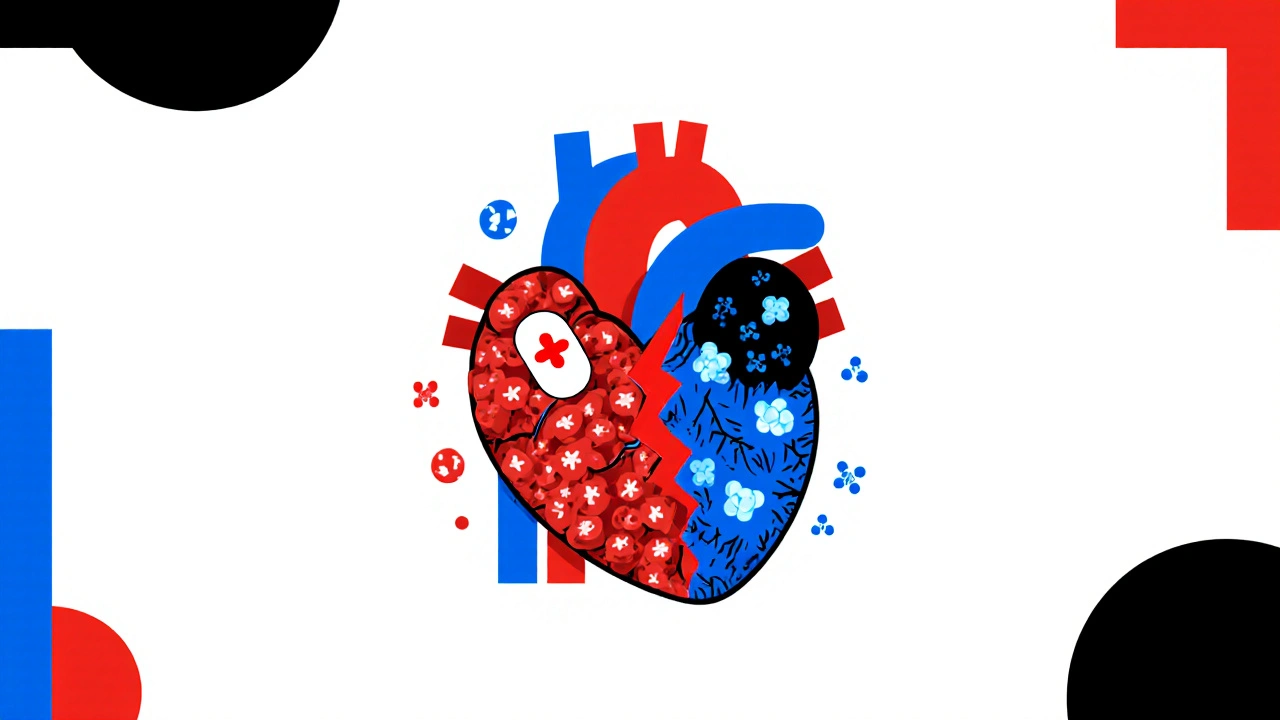
Combining aspirin with blood thinners like warfarin, Eliquis, or Xarelto doubles your risk of dangerous bleeding. Learn who should avoid this mix, the signs of hidden bleeding, and safer alternatives.