MedWatch Form: How to Report Drug Side Effects and Stay Safe
When something goes wrong with a medicine—whether it’s a strange rash, a racing heart, or unexplained fatigue—you’re not alone in noticing it. The MedWatch form, a reporting tool used by the FDA to collect information on dangerous side effects from drugs, medical devices, and dietary supplements. Also known as FDA Form 3500, it’s the official way patients, doctors, and pharmacists tell the government when a medicine might be doing more harm than good. This isn’t just paperwork. It’s how hidden dangers get uncovered. One report might seem small, but thousands of them? They’ve led to black box warnings, recalls, and even life-saving changes in how drugs are used.
The adverse event reporting, the process of documenting unexpected or harmful reactions to medications isn’t just for professionals. If you took a new pill and started feeling dizzy, or your child had a seizure after starting a new antibiotic, you can and should file a report. Pharmacists play a big role too—many of the posts here talk about how under-reporting by healthcare workers leaves gaps in safety data. The FDA MedWatch, the system that collects and analyzes these reports to spot dangerous patterns relies on real-world data, not just clinical trials. That’s why your report matters. It’s the difference between a drug being pulled from shelves or continuing to put people at risk.
Think about it: if no one reports that a generic blood thinner causes unusual bleeding, doctors won’t know to warn others. If no one says a new migraine drug triggers heart rhythm issues, it might keep being prescribed to people with heart conditions. The pharmacovigilance, the science and activities focused on detecting, assessing, understanding, and preventing adverse effects of medicines system only works if people speak up. And you don’t need a medical degree to do it. The MedWatch form is designed to be simple—online, by phone, or by mail. You don’t have to prove it’s the drug’s fault. Just describe what happened, when, and what you were taking.
Below, you’ll find real stories and deep dives into how drugs affect people—like how aspirin and blood thinners increase bleeding risk, or how statins cause muscle pain, or how pharmacists spot dangerous interactions with antifungals. These aren’t abstract studies. They’re reports from real lives. And behind every one of those posts is a MedWatch form that could have been filed. Your voice, your experience, your report—it’s part of the system that keeps medicines safer for everyone.
18 Nov
2025
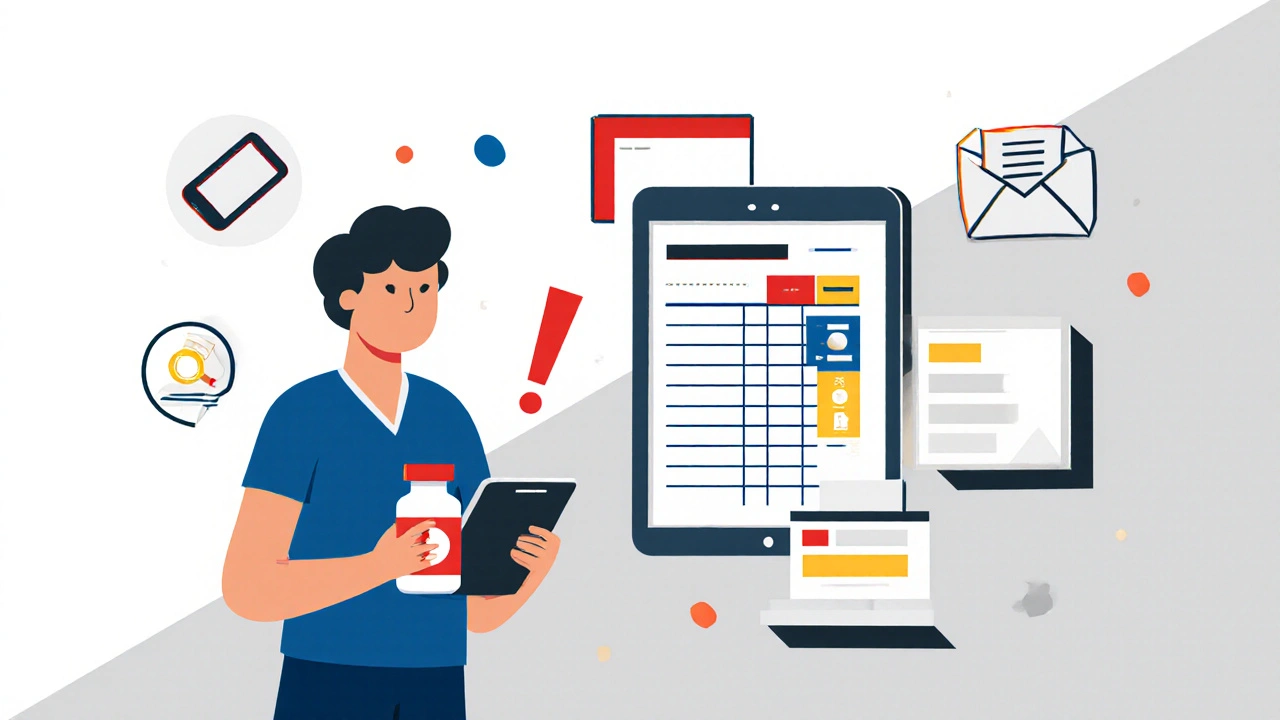
Learn how to report adverse drug events to the FDA’s MedWatch system. Step-by-step guide for patients, caregivers, and healthcare providers on submitting reports online, by phone, or by mail. Protect public health-one report at a time.