Hatch-Waxman Act: How It Shapes Generic Drugs and Drug Prices
When you pick up a generic version of your favorite medication, you’re seeing the result of the Hatch-Waxman Act, a 1984 U.S. law that created a legal path for generic drugs to enter the market without repeating expensive clinical trials. Also known as the Drug Price Competition and Patent Term Restoration Act, it’s the reason your prescriptions cost less today than they did 40 years ago.
This law didn’t just help patients—it changed how drug companies think about patents and profits. Before Hatch-Waxman, brand-name drug makers could delay generics indefinitely by filing lawsuits or making small changes to their formulas. The Act gave generic manufacturers a clear route: prove their version is therapeutically equivalent, meaning it works the same way in the body as the brand-name drug, and file an abbreviated application with the FDA, the U.S. agency that ensures drugs are safe and effective. In return, brand-name companies got extra patent time to make up for delays caused by FDA reviews—balancing innovation with access.
The ripple effects are everywhere in the posts you’ll find here. You’ll see how the Hatch-Waxman Act connects to verifying generic equivalence, using the FDA Orange Book to check if a generic is truly interchangeable. It’s why pharmacists can confidently substitute drugs, why coupons for generics work, and why some drugs still cost too much—because loopholes exist, and not all patents are created equal. The Act also shaped how adverse events are tracked for generics, since under-reporting can hide safety issues that only show up after thousands of people use a copycat drug.
Today, the Hatch-Waxman Act is under pressure. New types of drugs—like biologics—don’t fit neatly into its 1980s framework. But for most pills and tablets you take, it’s still the rulebook. If you’ve ever wondered why your insulin or blood pressure med suddenly got cheaper, or why your pharmacist asked if you wanted the generic, the answer starts here.
Below, you’ll find real-world examples of how this law plays out: from checking FDA Orange Book ratings to understanding why some generics take years to appear, and how drug pricing, safety reporting, and patent battles all tie back to this single piece of legislation. It’s not just history—it’s the reason your medicine costs what it does today.
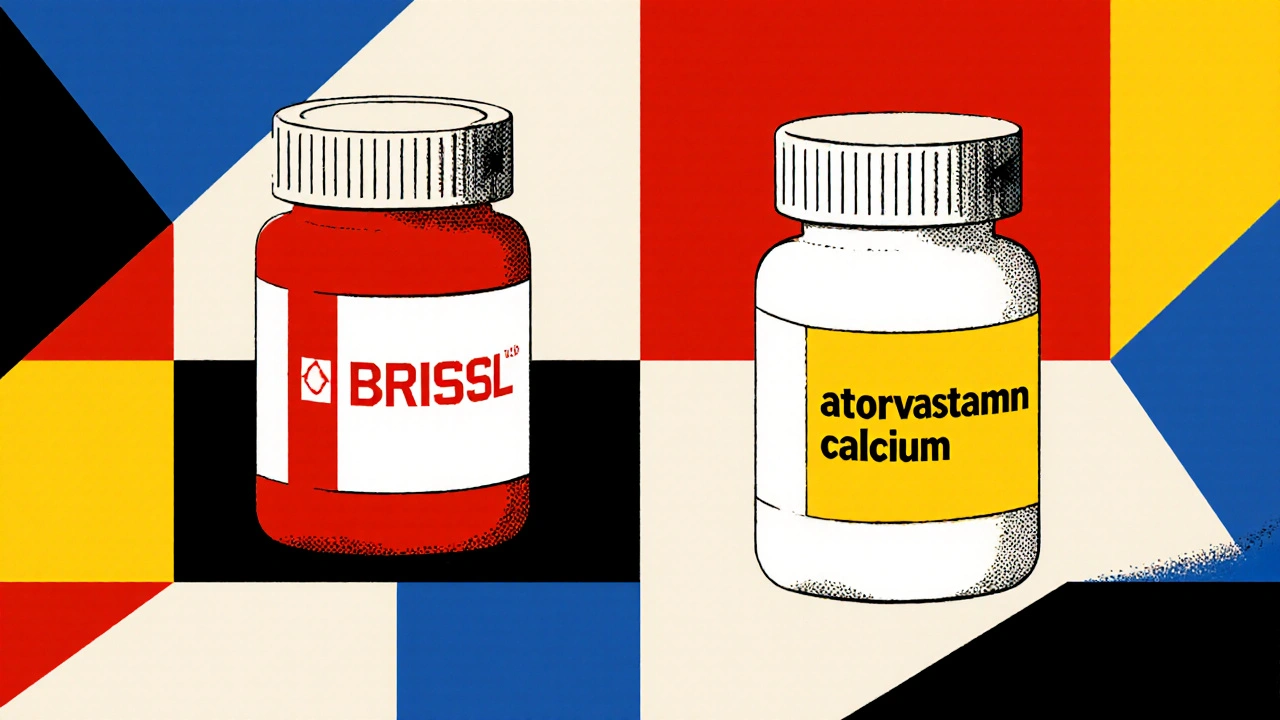
Authorized generics and first-to-file generics both cut drug costs, but authorized generics drive prices lower during the critical 180-day exclusivity window. Learn how they differ and how to get the best price.