GoodRxMedicine: Your Reliable Source for Pharmaceuticals - Page 2
Examines the long-standing controversy between triptan and SSRI use. Current evidence shows negligible risk for serotonin syndrome despite older warnings.
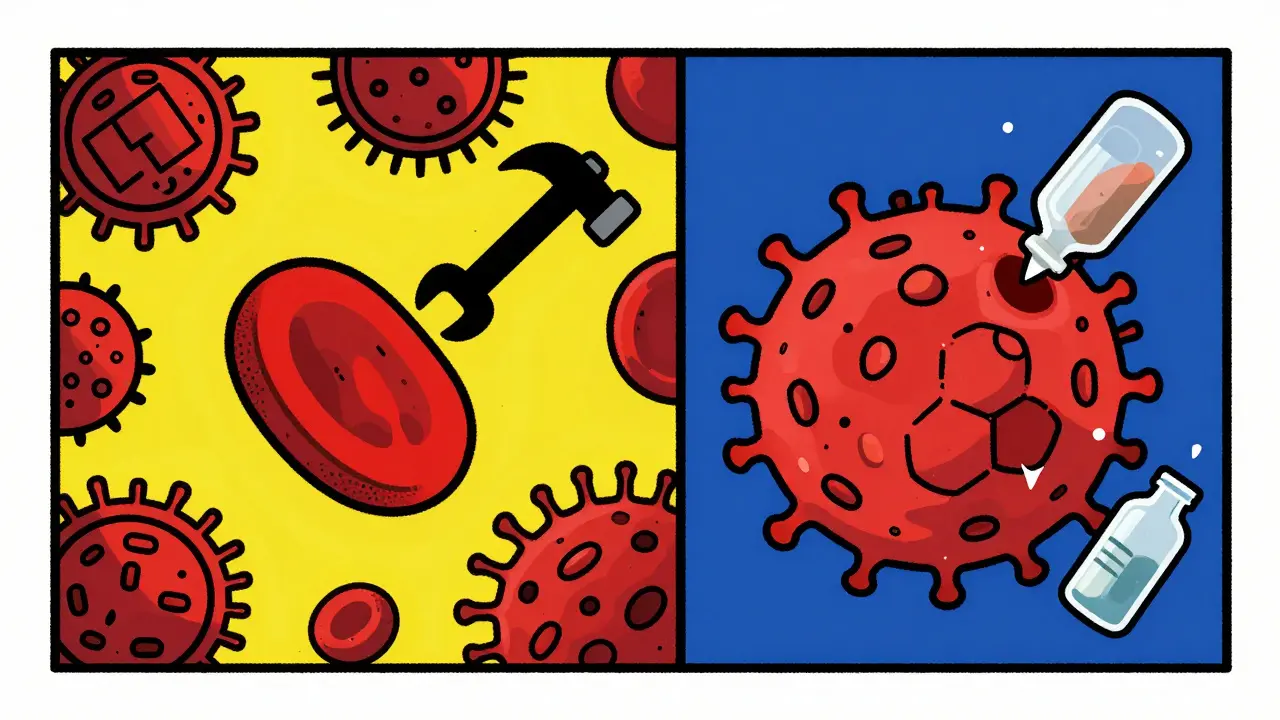
Bacterial and viral infections look similar but need totally different treatments. Antibiotics work on bacteria, not viruses. Misusing them fuels resistance and endangers everyone. Learn how to tell them apart and when to ask for help.
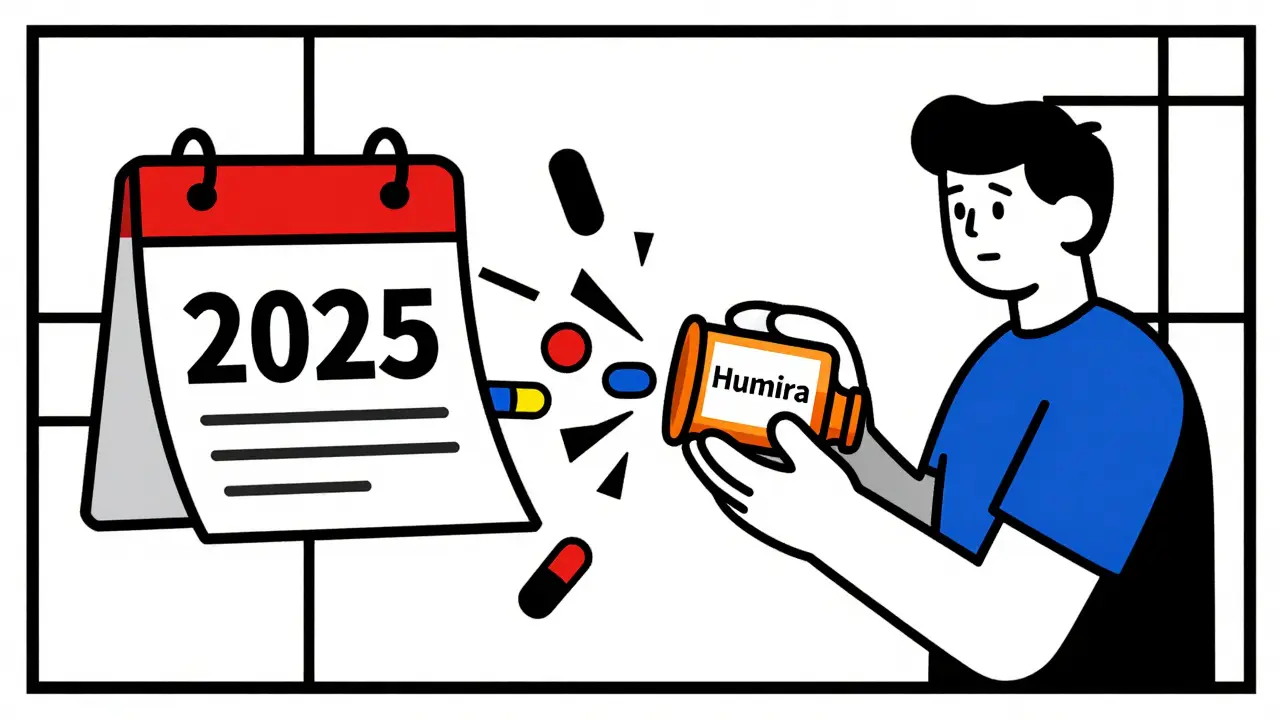
When drug patents expire, prices drop-but only if patients and systems are ready. Learn what to do before generic and biosimilar drugs hit the market, and how to save money without risking care.
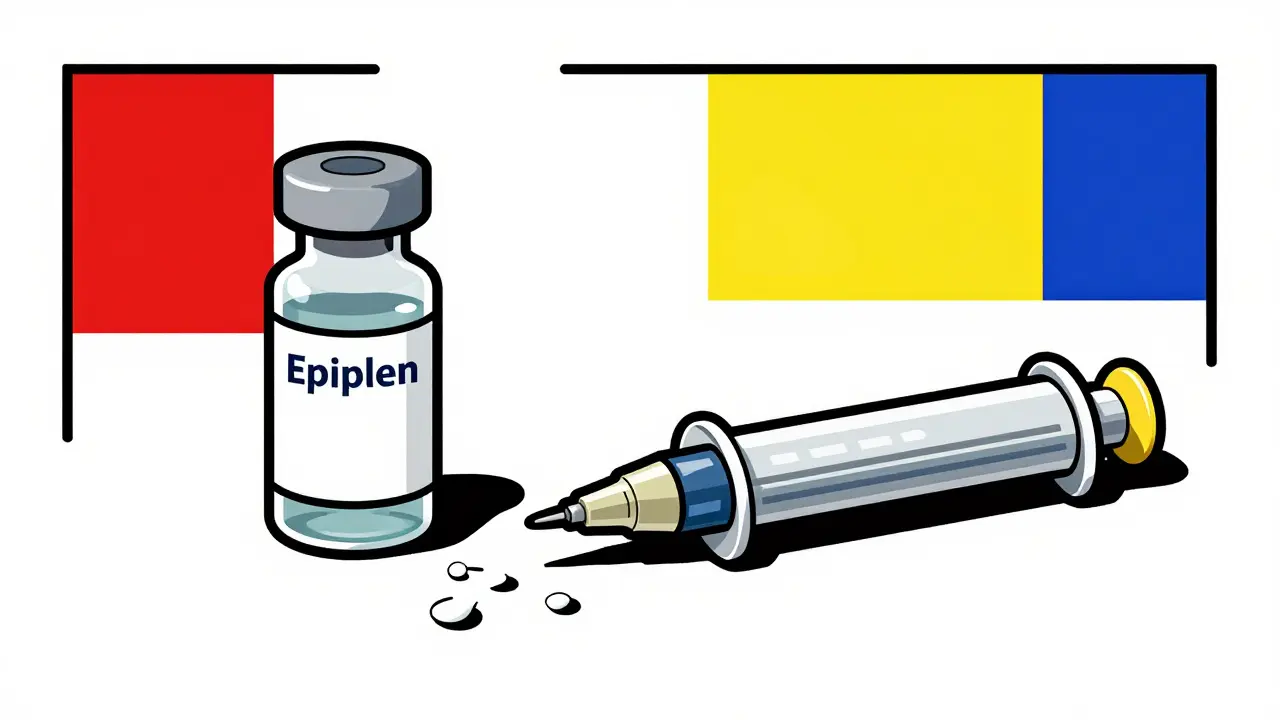
Generic combination products combine drugs and devices, but current substitution rules don’t account for both parts. This creates confusion, delays, and higher costs for patients - even when generics exist.
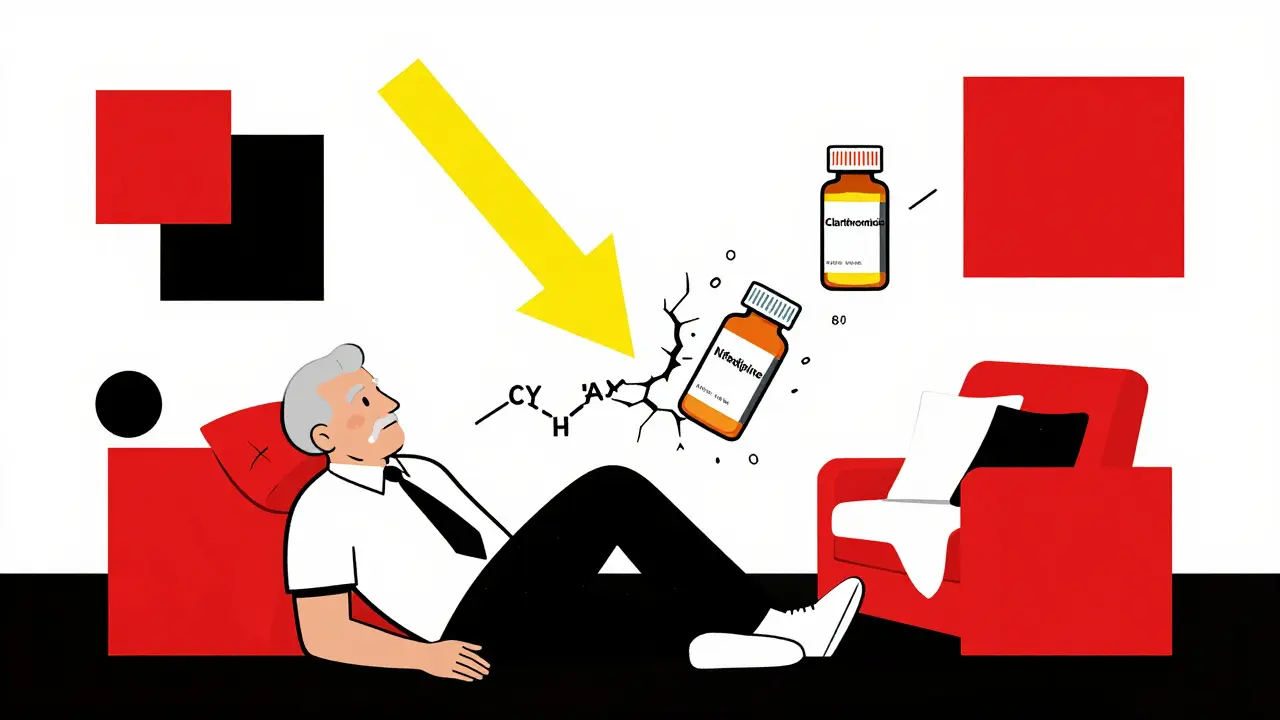
Clarithromycin can dangerously raise blood levels of calcium channel blockers like nifedipine and amlodipine, causing life-threatening drops in blood pressure. Learn why azithromycin is the safer alternative and how to protect yourself.
8 Mar
2026
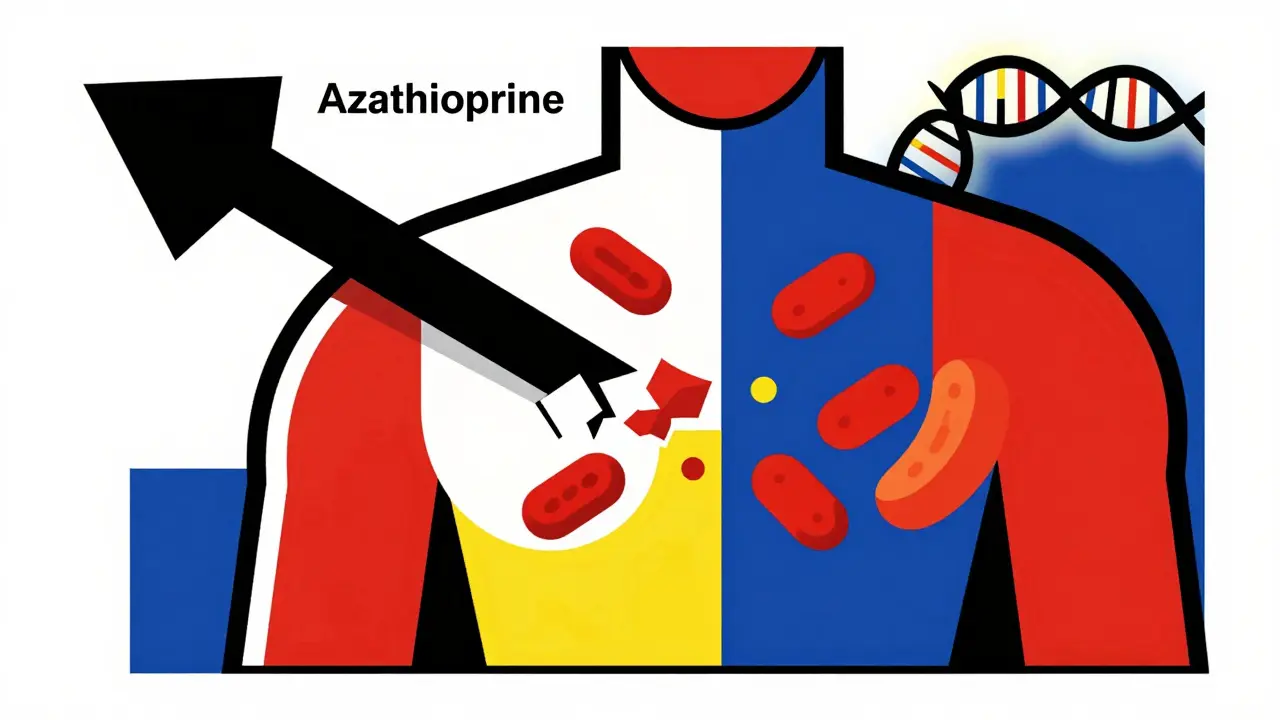
Azathioprine is an affordable immunosuppressant, but up to 1 in 300 people have a genetic flaw that makes it life-threatening. TPMT and NUDT15 testing can prevent severe blood cell crashes-here's how it works and what you need to know.
5 Mar
2026
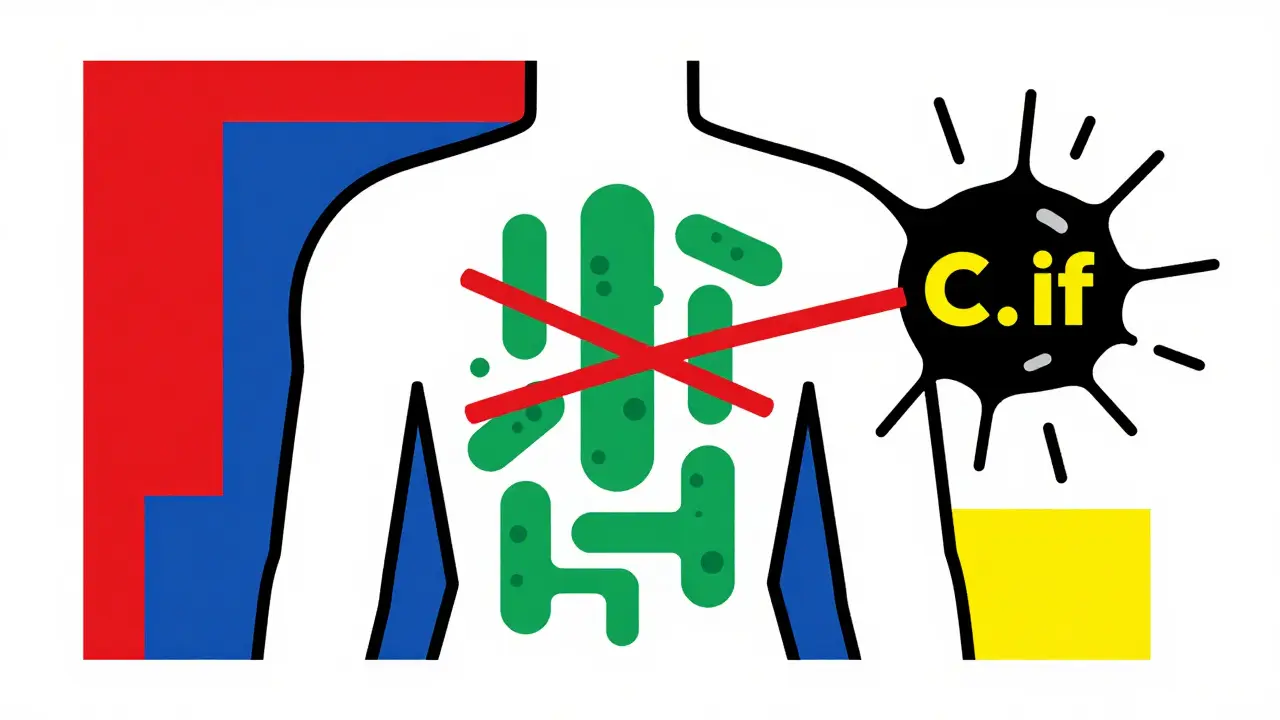
Clostridioides difficile (C. diff) is a dangerous infection triggered by antibiotics, causing severe diarrhea and colitis. Learn how it spreads, who’s at risk, how it’s treated today, and why prevention starts with smart antibiotic use.
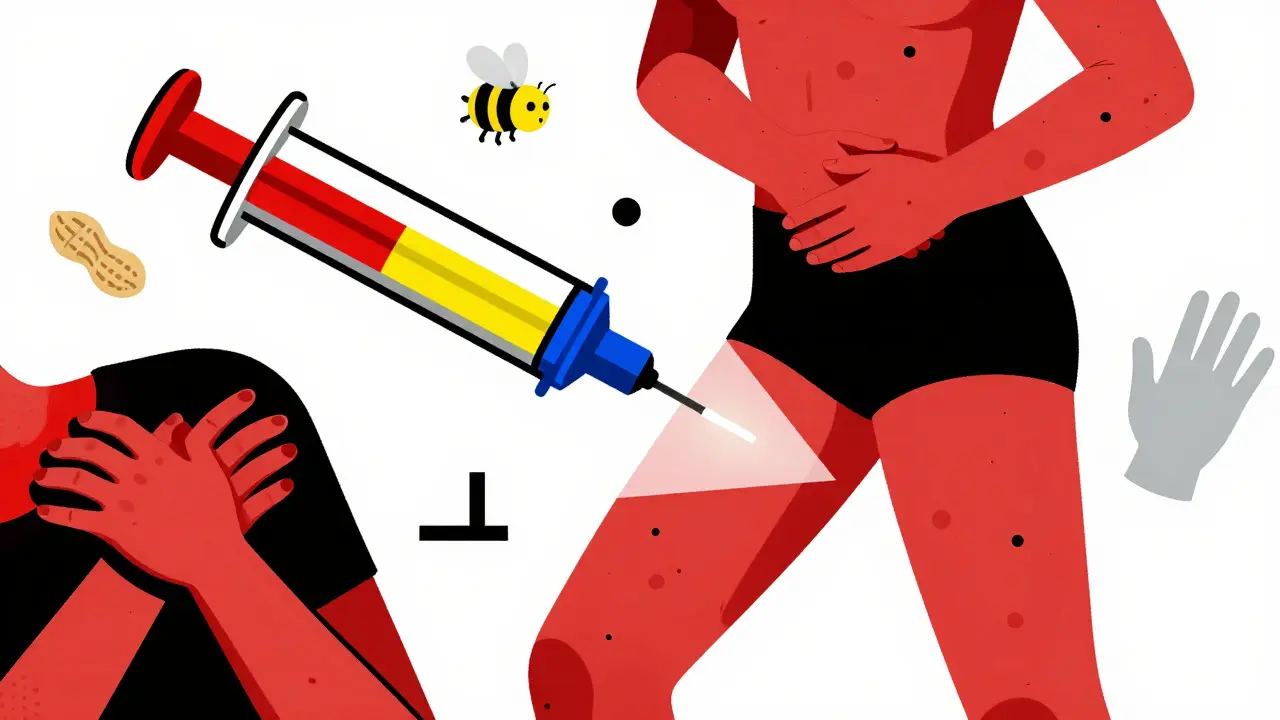
Anaphylaxis is a life-threatening allergic reaction that requires immediate epinephrine. Learn the symptoms, how to use an auto-injector, why delays are deadly, and what new treatments are available.
After picking up your prescription, confirming pharmacist counseling notes is critical to avoid medication errors. Learn how to access, verify, and keep track of your counseling points using simple, proven steps.
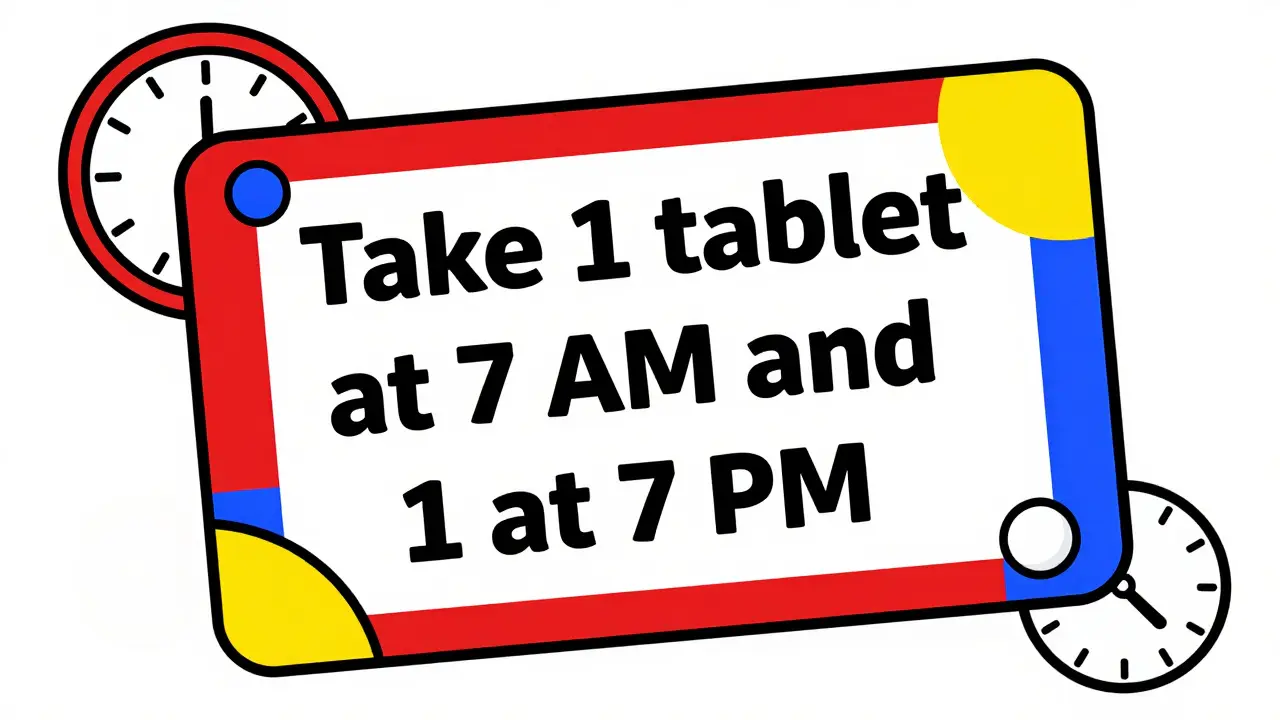
Learn how to read prescription labels correctly to avoid dangerous dosing mistakes. Discover why vague terms like 'twice daily' are risky, how to measure liquids safely, and what to ask your pharmacist for clearer instructions.