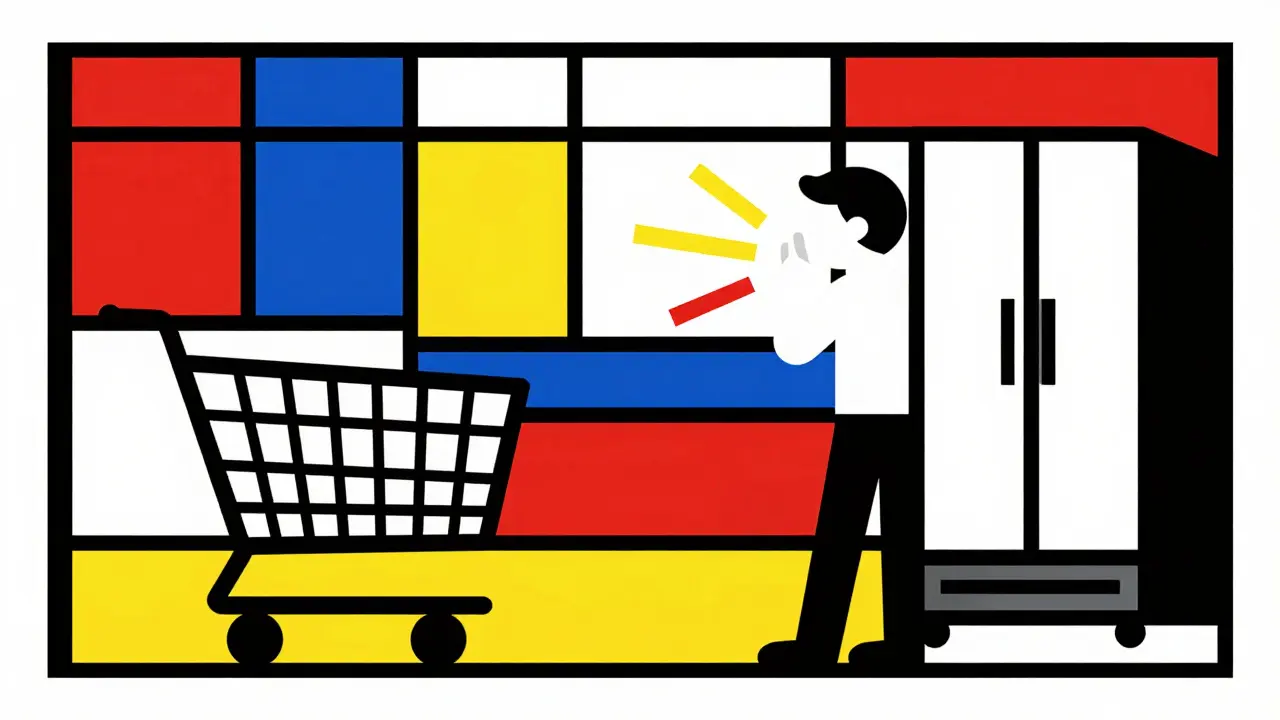
Imagine walking into a quiet grocery store, but to you, the hum of a refrigerator sounds like a jet engine and the clink of a shopping cart feels like a physical blow to your head. This isn't just "being sensitive to noise"; for millions of people, it's a grueling reality called hyperacusis is a rare auditory processing disorder where ordinary environmental sounds are perceived as uncomfortably loud, painful, or distressing. While it can feel isolating and overwhelming, the most effective way out isn't by hiding from the world in earplugs, but by retraining your brain to handle sound again.
Quick Summary: Key Takeaways
- What it is: A condition where the brain's "volume knob" is turned up too high, making normal sounds feel painful.
- The Golden Rule: Complete sound avoidance actually makes the condition worse over time.
- The Solution: Desensitization therapy gradually re-introduces sound to lower the brain's sensitivity.
- Timeline: Recovery is a marathon, not a sprint, typically taking 6 to 18 months of daily effort.
- Success Rate: Properly managed therapy shows a 60-80% effectiveness rate in reducing sound sensitivity.
Why Your Brain Is Overreacting to Sound
Hyperacusis isn't usually a problem with your ears-it's a problem with how your brain processes signals. In a healthy auditory system, the brain filters out background noise. With hyperacusis, the "central gain" mechanism in your auditory pathway becomes hypersensitive. It's as if your internal amplifier is stuck on the highest setting.
This is often explained by the Jastreboff Neurophysiological Model, which suggests that the limbic system (your brain's emotional center) and the autonomic nervous system get tangled up with your hearing. When a sound triggers a pain response, your brain starts associating everyday noises with danger, creating a loop of anxiety and increased sensitivity. This explains why someone with hyperacusis might feel a surge of panic when they hear a vacuum cleaner-the brain isn't just hearing a noise; it's perceiving a threat.
The Danger of the "Silence Trap"
When sounds hurt, the natural human instinct is to protect yourself. You might start wearing high-grade earplugs everywhere or avoid social gatherings entirely. While this feels like a relief in the short term, it creates a dangerous cycle called auditory deprivation. When you starve your brain of sound, it tries to compensate by becoming even more sensitive to the few noises that do get through.
Research indicates that complete sound avoidance can worsen symptoms by 30-40%. By shielding yourself from every possible noise, you're essentially telling your brain that the world is a terrifying place, which only cranks up the internal amplifier. This is why the goal of treatment is not silence, but a controlled, gradual return to a normal sound environment.
How Desensitization Therapy Actually Works
The core of recovery is desensitization therapy, a process designed to teach your brain that sounds are not threatening. Instead of jumping into a loud environment, you use a highly calibrated approach to slowly nudge your tolerance levels upward.
The process starts by establishing your "Loudness Discomfort Levels" (LDLs). A specialist determines the exact point where a sound shifts from "loud" to "uncomfortable." Therapy then begins well below that threshold-often just 10-15 dB above your hearing threshold-using broadband noise or specific music. By listening to these safe levels for 2-8 hours a day, you gradually desensitize the auditory pathway.
| Approach | Mechanism | Typical Success Rate | Main Drawback |
|---|---|---|---|
| Desensitization Therapy | Gradual brain retraining | 60-80% | Takes 6-18 months of daily work |
| CBT (Cognitive Behavioral Therapy) | Emotional regulation | Variable (best as support) | Doesn't address physiological gain |
| Sound Avoidance | Shielding from noise | Low (often worsens) | Increases long-term sensitivity |
| Medication | Chemical suppression | 25-35% | Limited efficacy for central gain |
The Road to Recovery: A Step-by-Step Path
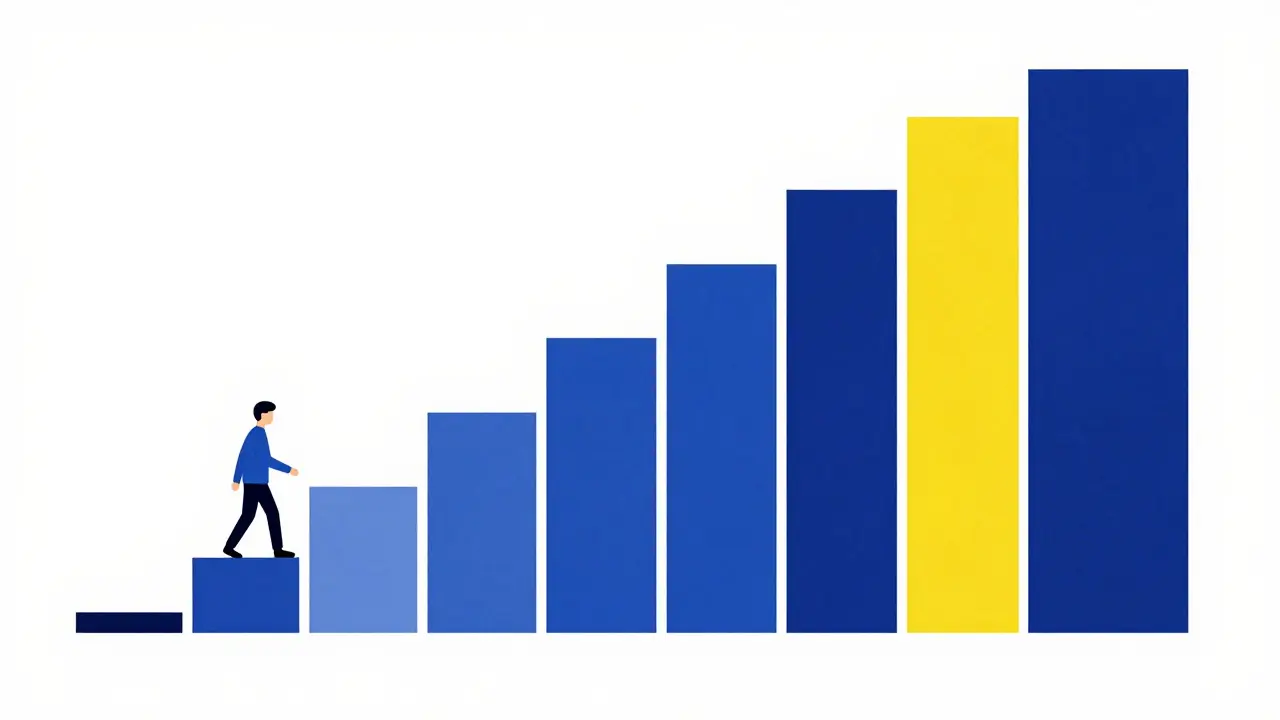
You can't rush this process. If you push too hard and trigger a pain response, you can actually set your progress back. A successful recovery follows a strict hierarchy of sound exposure:
- The Baseline Phase: Your audiologist sets a starting volume that is barely audible but consistently present. You use a sound generator for several hours a day in a controlled, quiet environment.
- Micro-Increments: Every week, the volume is increased by a tiny amount-usually only 1 or 2 decibels. This is so slow that your brain barely notices the change.
- The Home Environment: You begin practicing in a setting with natural background noise (around 45-55 dB), like a quiet living room, while still using your sound generator.
- The "Real World" Transition: You slowly move to moderate noise environments (65-75 dB), such as a small cafe or a library, gradually reducing your reliance on earplugs.
- Maintenance: Once you reach a comfortable tolerance, you maintain a variety of sound exposures to ensure the brain doesn't slip back into hypersensitivity.
Common Pitfalls and How to Avoid Them
The most common reason people fail at this therapy is frustration. It is a tedious process. Some users report gaining only 5 decibels of tolerance over six months, which can feel like a failure. However, the key is consistency. Roughly 33% of people who quit did so because they started at a volume that was too high, causing a "spike" in sensitivity that made them give up.
Another hurdle is comorbid conditions. If you also struggle with misophonia (a strong emotional reaction to specific sounds like chewing), standard desensitization may not work as well. In these cases, combining sound therapy with Cognitive Behavioral Therapy (CBT) is essential. Addressing the emotional anxiety around sound can improve outcomes by up to 35% compared to sound therapy alone.
The Role of Modern Technology
While old-school sound generators were the standard, new tools are making the process easier. Precise sound level meter apps now allow patients to monitor their environment in real-time, ensuring they don't accidentally enter a "danger zone" of noise. Furthermore, newer systems like bimodal neuromodulation are combining sound with tactile stimulation to target the brain's plasticity more effectively.
It is important to distinguish between a professional sound generator and a standard hearing aid. Hearing aids are designed to amplify sound for those with hearing loss, whereas hyperacusis requires a very specific, low-level, consistent output to retrain the brain without overstimulating it. Using a standard hearing aid without a specialized hyperacusis program can sometimes do more harm than good.
How long does it take for desensitization therapy to work?
Recovery is a slow process. On average, it takes between 6 and 18 months of consistent daily use. Some people see significant improvement around the 9-12 month mark, while others require a full year or more to regain tolerance for noisy environments like restaurants.
Can I do desensitization therapy on my own?
While some people try self-management, it is risky. About 89% of patients who work with a specialized audiologist complete their treatment, compared to only 52% of those who go it alone. A professional is needed to precisely calibrate your Loudness Discomfort Levels (LDLs) and ensure you aren't increasing volume too quickly, which can exacerbate symptoms.
Should I stop wearing earplugs entirely?
You shouldn't stop them abruptly if you are in a dangerously loud environment, but you should stop using them for "normal" sounds. The goal is to move from constant protection to "strategic protection," using them only for truly extreme noise (like construction) while allowing your brain to hear everyday sounds during your therapy.
Is hyperacusis the same as hearing loss?
No. In fact, about 60-70% of people with hyperacusis have perfectly normal hearing thresholds. The issue isn't that they can't hear sounds, but that they cannot tolerate the volume of sounds. It is a processing disorder, not a loss of hearing ability.
What happens if the therapy makes my sensitivity worse?
Initial symptom exacerbation is actually common, reported by about 60% of patients in the first four weeks. However, if the pain is sharp or persistent, it usually means the starting volume was too high. You should immediately lower the decibel level and consult your audiologist to recalibrate your baseline.
Next Steps for Recovery
If you're struggling with sound sensitivity, your first move should be to find an audiologist who specifically mentions "hyperacusis" or "Tinnitus Retraining Therapy" in their practice. Not all hearing clinics are equipped for this; only about 22% of U.S. practices offer formal desensitization programs.
Once you've had your initial assessment, start a daily log. Track the decibel levels you are comfortable with and note any "spikes" in sensitivity. Joining a community, such as specialized forums or support groups, can also help you manage the psychological frustration of the slow progress. Remember, the goal isn't to reach a specific number on a meter, but to regain your freedom to live in a noisy world without fear.