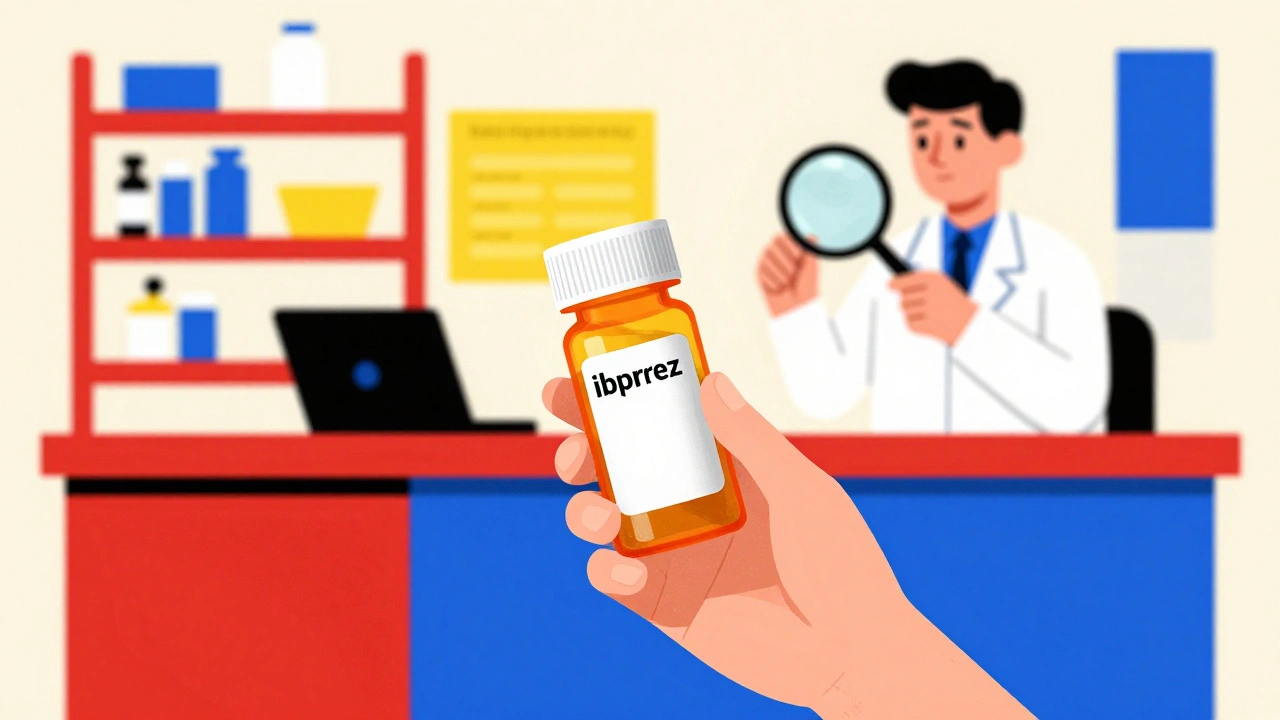
You found an old bottle of ibuprofen in the back of your medicine cabinet. The expiration date is six months past. Your headache is bad. Should you take it? What about that expired insulin, epinephrine pen, or antibiotic you kept ‘just in case’? You’re not alone. About 76% of Americans have used at least one expired medication, according to a 2022 Consumer Reports survey. But using expired drugs isn’t a simple yes-or-no question. The real answer depends on what the drug is, how it was stored, and why you need it. Talking to your pharmacist is the only safe way to know for sure.
Most Expired Drugs Don’t Turn Toxic-But They Do Lose Power
The biggest myth about expired medications is that they become dangerous or poisonous. That’s not true for most of them. Instead, they slowly lose strength. A tablet of ibuprofen or acetaminophen that’s a year past its date might still work fine for a mild headache. But if you’re relying on it to treat a serious infection or control your blood pressure, even a small drop in potency can be risky.
Pharmacists know this. They’re trained to look at the drug’s form-tablet, liquid, injection-and how it’s been stored. Solid pills in a cool, dry place often stay effective for months or even years beyond the printed date. But liquids? Not so much. Liquid antibiotics, insulin, and nitroglycerin tablets can break down quickly. If they turn cloudy, smell strange, or change color, throw them out. No exceptions.
These Medications Are Dangerous When Expired
Some drugs aren’t just less effective when expired-they’re unsafe. These include:
- Insulin: If it’s been expired for more than 30 days, it may not lower your blood sugar properly. That can lead to dangerous highs or lows.
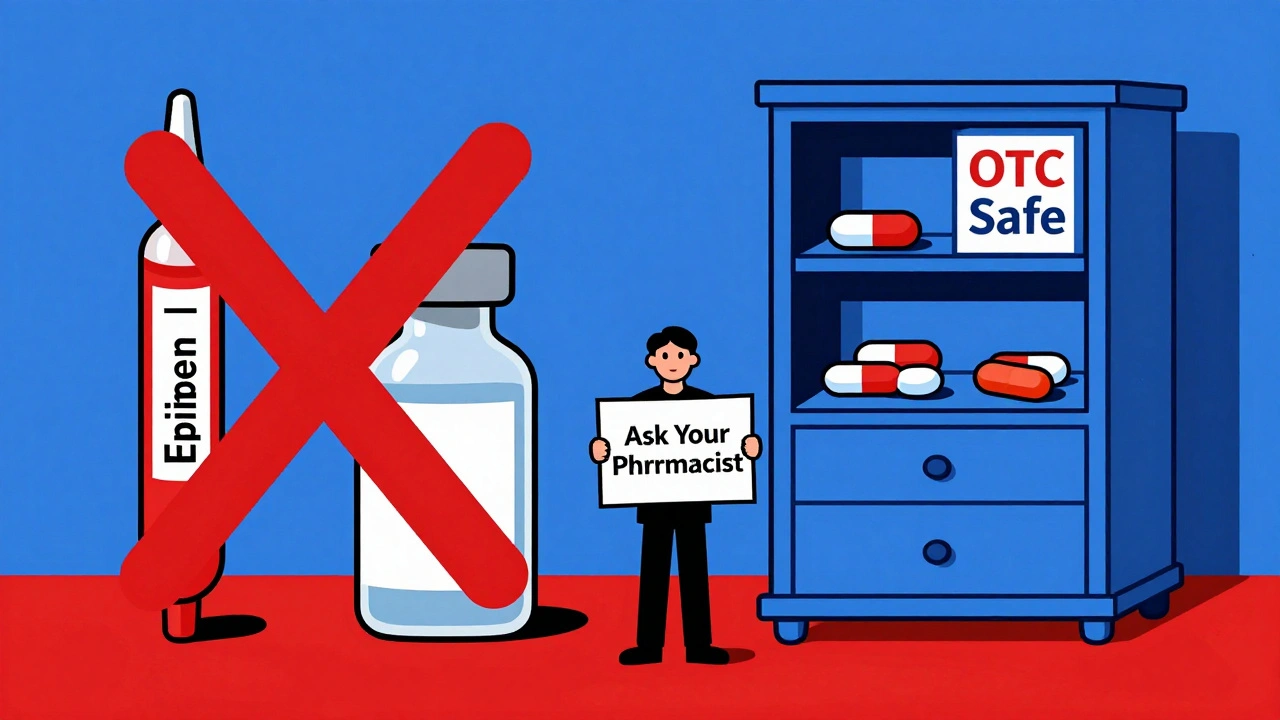
- Epinephrine pens (like EpiPens): If they don’t deliver the full dose during an allergic reaction, it could be fatal.
- Nitroglycerin: Used for chest pain. Expired nitroglycerin may not work at all, putting you at risk during a heart event.
- Antibiotics: Taking weak antibiotics doesn’t just mean your infection won’t clear-it can cause bacteria to grow stronger, leading to antibiotic-resistant infections. In the U.S., these cause over 35,000 deaths each year.
- Seizure medications: Missing even a small amount of the active ingredient can trigger a seizure.
- Tetracycline: This antibiotic can become toxic after expiration and damage your kidneys.
If you’re taking any of these, don’t guess. Replace them. Even if they look fine, the risk isn’t worth it.
What to Say When You Walk Into the Pharmacy
You don’t need to feel embarrassed. Pharmacists hear this question all the time. Here’s how to start the conversation clearly:
- “I found this medication, and it’s expired. Can you tell me if it’s still safe to use?” Name the drug, how long it’s been expired, and why you need it.
- “Is this one of the drugs that becomes dangerous when expired?” This helps them quickly flag high-risk medications.
- “How was it stored?” If it was kept in a bathroom or near a window, say so. Heat and moisture ruin medicines faster.
- “Can I use it temporarily while I wait for my refill?” For non-critical issues like occasional pain or allergies, they might say yes-if it’s only a few months past and in good condition.
- “What are the risks for someone with my condition?” If you have heart disease, diabetes, epilepsy, or another chronic illness, potency matters more than ever.
Don’t just hand over the bottle. Be ready to explain your situation. That’s how they give you the right answer.
OTC Medicines Are Often Safer-But Not Always
Over-the-counter drugs like ibuprofen, acetaminophen, antihistamines, and even some cough syrups are generally stable past their expiration dates. Walgreens pharmacists say many retain full potency for one to two years after expiration-if stored properly.
But here’s the catch: daily aspirin for heart protection is different. Even a small loss in effectiveness can reduce its ability to prevent clots. If your aspirin is expired, get a new bottle. Don’t risk a heart attack or stroke.
Also, watch for physical changes. If your pills are cracked, powdery, or stuck together, toss them-even if the date is still good. That’s a sign of moisture damage.
How to Prevent This Problem Before It Happens
The best conversation about expired drugs is the one you never have to have. Here’s how to avoid it:
- Check your medicine cabinet every 3 months. Pull out anything expired and set it aside for disposal.
- Use the ‘first in, first out’ rule. When you buy new medicine, put it behind the old one. Use the oldest first.
- Refill prescriptions before you run out. Don’t wait until the last pill. Set a reminder on your phone.
- Buy smaller quantities of OTC meds. If you only take allergy pills once a season, don’t stock up for two years.
- Ask your pharmacist about repackaged meds. If your pharmacy puts your pills in a new bottle, the expiration date is often one year from the fill date-not the original manufacturer date.
Some pharmacies now use digital tools to send automated refill reminders. Ask if yours does.
How to Dispose of Expired Medications the Right Way
Never flush pills down the toilet unless the label says to. That pollutes water systems. Don’t just throw them in the trash with the bottle still labeled-someone could find them.
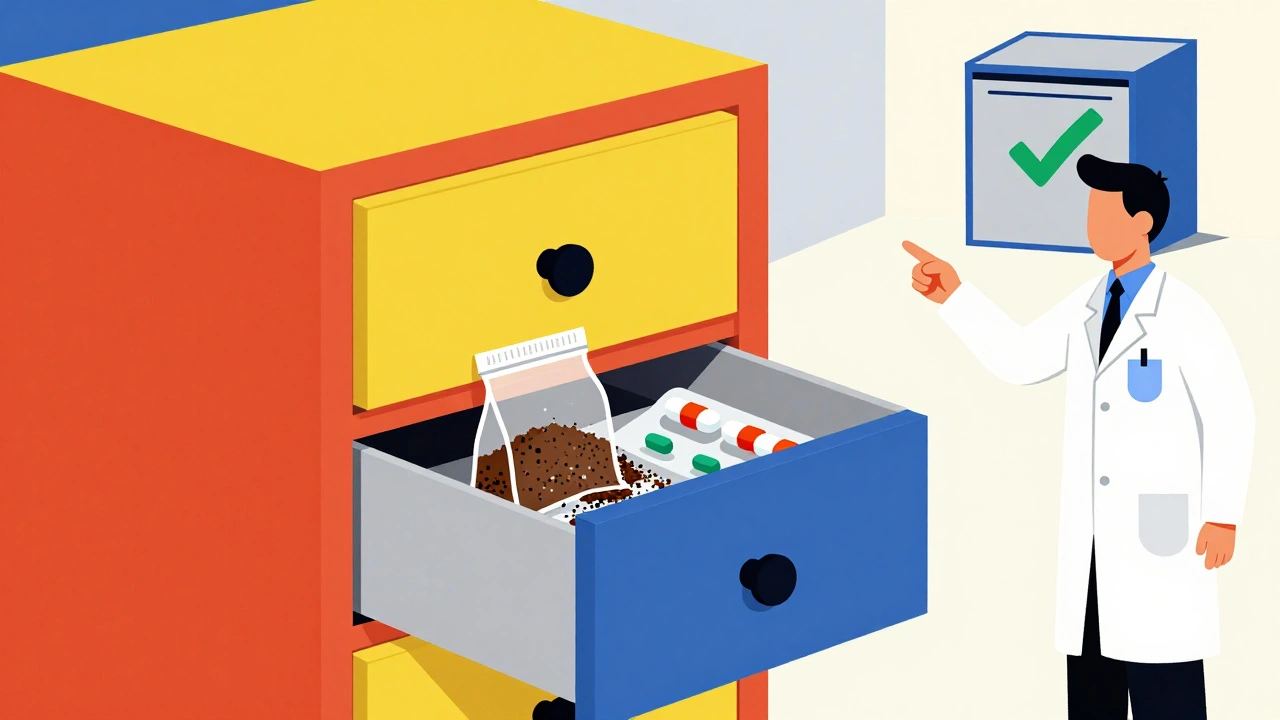
The safest way? Use a drug take-back program. Over 9,000 pharmacies across the U.S. have drop-off kiosks. Walgreens and CVS offer them in nearly every location. Just drop in your expired meds, no questions asked.
If there’s no take-back option nearby:
- Remove pills from the bottle.
- Mix them with something unappetizing-used coffee grounds, cat litter, or dirt.
- Put the mixture in a sealed plastic bag.
- Scratch out or tear off your name and prescription info on the empty bottle.
- Throw the bag in the trash.
Pharmacists say this is the best you can do at home. But take-back is always better.
What to Do If You Already Took an Expired Drug
If you’ve already taken an expired medication, don’t panic. For most OTC drugs, the worst outcome is that it didn’t work. But if you took:
- Expired insulin and your blood sugar is out of control
- Expired epinephrine during an allergic reaction
- Expired antibiotics and your infection got worse
Call your pharmacist or doctor right away. They can help you assess the risk and decide if you need treatment.
Even if nothing happened, it’s worth letting your pharmacist know. They track these incidents to improve safety for everyone.
Why Expiration Dates Aren’t Just Sales Tactics
Some people think expiration dates are made up to push you to buy more. They’re not. The FDA requires manufacturers to test drugs for stability over time. The date you see is when they can guarantee the drug will work as intended-under proper storage conditions.
A 2012 study by the National Institutes of Health found that 88% of military stockpile drugs were still effective years past their expiration. But that doesn’t mean every drug does the same. Military storage is controlled-cold, dry, and dark. Your bathroom shelf? Not so much.
Pharmacists stress: “Expired medications may still have some effect, but their safety and potency can’t be guaranteed.” That’s why you need to talk to them.
Comments (8)
Webster Bull
December 12, 2025 AT 07:32
I took expired ibuprofen last week for a migraine and it worked fine. My pharmacist said solid pills are usually good for years if kept dry. No need to panic over a date stamp.
Bruno Janssen
December 14, 2025 AT 00:25
I keep all my meds in the bathroom. I know it’s bad. But I forget. And I don’t wanna drive to the pharmacy every time I need something. Guess I’m just lazy.
Scott Butler
December 14, 2025 AT 16:29
This whole post is weak. If you can’t afford new meds, you shouldn’t be taking them at all. America’s broken. People treat pills like candy. Grow up.
Emma Sbarge
December 16, 2025 AT 03:03
I had to use expired epinephrine once during a panic attack. It didn’t work. I ended up in the ER. Don’t be like me. Replace it. No excuses.
Deborah Andrich
December 17, 2025 AT 07:06
My grandma used to say 'if it looks right and smells right, it’s probably fine.' She lived to 98. But she also took aspirin from 1998. So maybe don’t listen to her. Talk to your pharmacist instead. They’ve seen it all.
Tommy Watson
December 17, 2025 AT 15:17
I just dumped my whole cabinet into a trash bag with coffee grounds. I didn’t even bother removing labels. If someone wants my old blood pressure pills, let em have em. I’m done caring.
Donna Hammond
December 18, 2025 AT 04:06
I work at a community pharmacy and I can tell you this: 90% of people who bring in expired meds are surprised they still work at all. We check them all. Solid pills? Often fine. Liquids? Always toss. Insulin? Never gamble. Antibiotics? Risky as hell. Don’t be the person who makes the pharmacist sigh.
Lauren Scrima
December 18, 2025 AT 17:26
So... you’re telling me I can’t just keep my 5-year-old allergy pills because I'm 'too lazy' to refill? Wow. What a shock. Next you’ll say I shouldn’t wear socks with sandals.