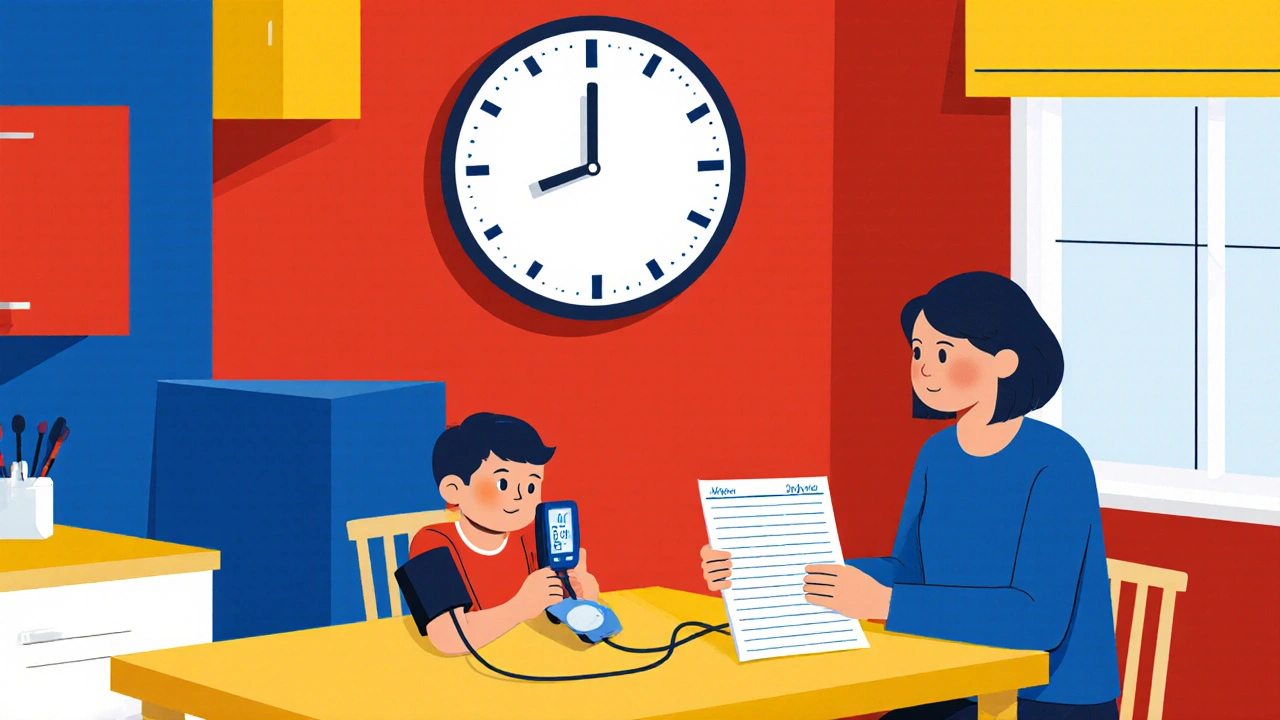
High blood pressure in children isn’t rare anymore. In fact, about 1 in 10 kids in the U.S. now has elevated blood pressure, and many of them need more than just diet and exercise to bring it under control. When lifestyle changes aren’t enough, doctors turn to medications - and one of the newer options being studied is azilsartan medoxomil. But is it safe? Does it work? And when should it be used in children?
What Is Azilsartan Medoxomil?
Azilsartan medoxomil is an angiotensin II receptor blocker, or ARB. It works by blocking a hormone called angiotensin II, which normally causes blood vessels to tighten. By blocking this effect, azilsartan helps blood vessels relax, lowering blood pressure. It’s approved for adults in the U.S. and Europe under the brand name Edarbi, but its use in children is still off-label and mostly based on small studies and expert consensus.
Unlike older ARBs like losartan or valsartan, azilsartan has a longer half-life - meaning it stays active in the body longer. This allows for once-daily dosing, which can improve adherence in kids who struggle with multiple pills or complex schedules. It also has stronger receptor binding, which may make it more effective at lowering blood pressure at lower doses compared to other ARBs.
Why Consider Azilsartan Medoxomil for Kids?
Most pediatric hypertension cases are secondary - caused by kidney disease, heart problems, or hormonal disorders. But primary hypertension, often linked to obesity, is rising fast. In these cases, doctors need medications that are safe, effective, and easy to use long-term.
Azilsartan medoxomil has shown promise in several small pediatric trials. One 2023 study published in the Journal of the American Society of Nephrology followed 47 children aged 6 to 17 with stage 2 hypertension. After 12 weeks on azilsartan, average systolic blood pressure dropped by 18 mmHg. That’s comparable to the results seen with lisinopril or valsartan, but with fewer side effects like cough or dizziness.
Another advantage? Azilsartan doesn’t seem to affect kidney function negatively in children with chronic kidney disease - a common comorbidity in hypertensive kids. In fact, some studies suggest it may even help reduce proteinuria, which is a sign of kidney damage.
How Is It Dosed in Children?
There’s no official FDA-approved dosing for kids yet, so doctors rely on weight-based guidelines from clinical experience and published case series. Typical starting doses range from 0.1 to 0.2 mg per kilogram of body weight, up to a maximum of 20 mg per day. For a 40 kg child, that’s usually 4 to 8 mg daily. Most children are titrated up slowly over 2 to 4 weeks based on blood pressure response and tolerance.
It’s taken once a day, preferably at the same time each day. Unlike some blood pressure meds, it doesn’t need to be taken with food - though giving it with a small snack can help if a child gets mild nausea.
One key thing parents should know: Azilsartan doesn’t work right away. Blood pressure starts to drop within a week, but it takes 4 to 6 weeks to reach its full effect. That’s why doctors ask families to keep detailed logs of home readings and come back for follow-ups.

Side Effects and Safety in Children
The most common side effects in kids are mild: headache, dizziness, stomach upset, or fatigue. These usually go away after a few days. Serious side effects are rare but include low blood pressure (especially if the child is dehydrated), elevated potassium levels, and kidney function changes.
One major red flag: Azilsartan can harm a developing fetus. That’s why it’s never used in teenage girls who are sexually active unless they’re on reliable birth control. Doctors always check for pregnancy risk before starting this medication in adolescent girls.
It’s also not recommended for children with bilateral renal artery stenosis, severe kidney failure, or a history of angioedema with other ARBs or ACE inhibitors. Blood tests for kidney function and potassium are usually done before starting and again after 2 to 4 weeks.
How It Compares to Other Pediatric Blood Pressure Drugs
Here’s how azilsartan medoxomil stacks up against other common options for kids:
| Medication | Class | Dosing Frequency | Common Side Effects | Best For |
|---|---|---|---|---|
| Azilsartan medoxomil | ARB | Once daily | Headache, dizziness, nausea | Obesity-related hypertension, proteinuria |
| Lisinopril | ACE inhibitor | Once daily | Cough (up to 20%), high potassium | Diabetic kidney disease, post-heart transplant |
| Losartan | ARB | Once daily | Dizziness, fatigue, elevated potassium | General pediatric hypertension, Marfan syndrome |
| Amlodipine | Calcium channel blocker | Once daily | Ankle swelling, flushing, headache | Isolated systolic hypertension, migraines |
| Hydrochlorothiazide | Diuretic | Once daily | Dehydration, low sodium, cramps | Fluid overload, mild hypertension |
Azilsartan stands out because it doesn’t cause a dry cough - a major reason why many kids can’t stay on ACE inhibitors like lisinopril. It also doesn’t cause swelling in the legs like amlodipine. For kids with obesity and early kidney changes, azilsartan may offer a better balance of effectiveness and tolerability.

When Is It Not the Right Choice?
Azilsartan medoxomil isn’t a first-line choice for every child. It’s usually not started in kids under 6 years old unless other options have failed or there’s a specific reason - like a genetic kidney disorder. In infants or toddlers, ACE inhibitors or diuretics are often preferred because more data exists for them.
It’s also not ideal for children with very low blood pressure, severe dehydration, or those on high-dose NSAIDs like ibuprofen, which can reduce its effectiveness and raise kidney risk. Families who can’t reliably bring their child for follow-up blood tests should avoid starting it.
And while it’s generally safe for long-term use, there’s still limited data on effects over 10+ years in children. That’s why doctors monitor growth, kidney function, and electrolytes closely, especially in younger patients.
What Parents Should Do
If your child’s doctor suggests azilsartan medoxomil, here’s what to do next:
- Ask for a written dosing plan based on your child’s weight.
- Get a home blood pressure monitor and learn how to use it correctly.
- Keep a log of daily readings, times, and any symptoms like dizziness or tiredness.
- Watch for signs of dehydration - fever, vomiting, or reduced urination - and call the doctor if these happen.
- Never stop or change the dose without talking to the pediatric nephrologist or cardiologist.
Many parents worry about long-term medication use. But uncontrolled high blood pressure in childhood can lead to heart disease, stroke, and kidney failure by age 30 or 40. The goal isn’t to medicate unnecessarily - it’s to protect your child’s future health.
What’s Next for Azilsartan in Pediatrics?
Large, multi-center trials are underway in Europe and North America to establish formal dosing guidelines for children aged 6 to 18. The PEDIATRIC-ARB study, funded by the NIH, is expected to release results in early 2026. These studies will help determine if azilsartan should become a standard option for kids - not just a backup.
Until then, it’s being used carefully and thoughtfully by specialists. Pediatric nephrologists and hypertension experts are the ones most likely to prescribe it. If your child’s pediatrician suggests it, ask for a referral to a specialist who has experience with pediatric blood pressure management.
Medication is just one part of the puzzle. Even when using azilsartan, kids still need a healthy diet, regular physical activity, and weight management. The drug works best when it’s part of a full plan - not a replacement for lifestyle changes.
Is azilsartan medoxomil approved for children?
No, azilsartan medoxomil is not officially approved by the FDA for use in children under 18. It’s used off-label based on clinical evidence and expert guidelines. Pediatric specialists may prescribe it when other medications aren’t effective or tolerated.
How long does it take for azilsartan to work in kids?
Blood pressure usually starts to drop within a week, but it takes 4 to 6 weeks for the full effect. Patience is key - don’t assume it’s not working if you don’t see immediate changes. Consistent daily dosing and regular monitoring are essential.
Can azilsartan cause kidney damage in children?
In healthy children, azilsartan doesn’t cause kidney damage. In fact, it’s often used to protect the kidneys in kids with proteinuria or chronic kidney disease. However, it can worsen kidney function in children with pre-existing severe kidney narrowing or dehydration. Blood tests are done before and after starting to monitor safety.
Is azilsartan better than lisinopril for kids?
For many kids, yes - especially if they get a dry cough from lisinopril. Azilsartan is just as effective at lowering blood pressure but doesn’t cause cough. It also lasts longer in the body, so once-daily dosing is easier to stick with. However, lisinopril has more long-term data in children, so it’s still often tried first.
What should I do if my child misses a dose?
If your child misses a dose, give it as soon as you remember - unless it’s close to the next scheduled dose. Never double the dose. If you’re unsure, call the prescribing doctor. Missing one dose won’t cause a spike in blood pressure, but consistent missed doses can make the medication less effective over time.
Are there any foods or supplements to avoid with azilsartan?
Yes. Avoid potassium supplements or salt substitutes containing potassium, as azilsartan can raise potassium levels. Also, avoid large amounts of grapefruit juice - it can interfere with how the body breaks down the drug. NSAIDs like ibuprofen or naproxen should be used sparingly, as they can reduce the drug’s effect and harm the kidneys.
Comments (15)
Lauren Hale
November 20, 2025 AT 08:22
My 12-year-old was just put on azilsartan last month after three failed attempts with lisinopril - the cough was unbearable. We’ve been tracking BP at home twice a day, and the drop has been steady. No dizziness, no nausea, just quiet stability. It’s not magic, but it’s the first med that didn’t make him feel like a lab rat.
Brad Samuels
November 20, 2025 AT 08:25
It’s wild to think we’re talking about antihypertensives for 6-year-olds like it’s just another vitamin. We’ve normalized chronic disease in kids without fixing the root causes - ultra-processed diets, screen time replacing movement, schools cutting PE. Medication isn’t the enemy, but it’s a bandage on a broken system. We’re treating symptoms while the whole foundation crumbles.
Tyrone Luton
November 21, 2025 AT 08:10
Let’s be real - if your kid needs a blood pressure pill before middle school, you probably didn’t do your job as a parent. No amount of ARBs will fix a diet of Happy Meals and soda. The real question isn’t whether azilsartan works - it’s why we’re letting kids get this sick in the first place.
Jeff Moeller
November 22, 2025 AT 22:55
My son's on it too. 8mg daily. No more headaches. No more school absences. I don't care what the label says. It works. Period.
Kenneth Meyer
November 24, 2025 AT 14:54
There’s a quiet revolution happening in pediatric nephrology. We used to think kids were just small adults - but we’re learning their physiology responds differently. Azilsartan’s renal protective effects in proteinuric kids? That’s not just lowering BP - it’s changing long-term trajectories. We’re not just treating hypertension anymore. We’re preventing end-stage kidney disease before it starts.
Abdula'aziz Muhammad Nasir
November 25, 2025 AT 17:08
In Nigeria, we rarely see pediatric hypertension unless it's secondary to sickle cell or HIV. But I’ve seen children in Lagos with BP readings higher than my grandfather’s. The problem isn’t lack of meds - it’s lack of access. No home monitors. No specialists. No labs. Azilsartan might be ideal - but if you can’t get it, or afford it, or monitor it - it’s just a footnote in a textbook.
Tara Stelluti
November 27, 2025 AT 00:13
They’re drugging 6-year-olds now? What’s next? Ritalin in the baby food? This is the end of parenting. You let Big Pharma convince you your kid’s a ticking time bomb so you’ll buy their pill. Wake up. It’s not hypertension - it’s laziness. Take the iPad away. Make them walk. Stop being a medical enabler.
Will Phillips
November 27, 2025 AT 09:59
Ever wonder why the FDA hasn’t approved this for kids? Because they know. They know it’s a Trojan horse. The same companies pushing this stuff also made opioid painkillers. They’re just swapping one addiction for another. You think your kid’s safe? Wait till they’re 16 and need a higher dose. Then what? More pills? More tests? More dependency? This is how they own the next generation.
Jessica Engelhardt
November 27, 2025 AT 15:45
Let me tell you something - I’m from the Midwest and we don’t need some fancy new drug from Europe to fix what we’ve broken. Kids need to play outside, eat real food, and stop being glued to TikTok. Azilsartan? Sounds like a corporate buzzword. I’d rather give my kid a carrot than a pill. And if they’re hypertensive? Maybe they need a therapist, not a nephrologist.
Greg Knight
November 29, 2025 AT 03:54
Look - I get it. You’re scared. You’re tired. You’ve tried everything - no sugar, no screen time, yoga, swimming, organic everything - and nothing moved the needle. Then the doctor says, ‘Try this.’ And you’re like, ‘Fine, I’ll do it.’ And then, after four weeks, you see your kid running around like they’re 10 years younger. That’s not a miracle. That’s medicine working the way it should. Don’t let the noise make you doubt what’s helping your child breathe easier, sleep better, and wake up without that foggy, tired feeling. You’re not failing. You’re fighting.
rachna jafri
November 30, 2025 AT 07:39
USA thinks they invented medicine. Azilsartan? Sounds like a Monsanto product disguised as science. In India, we’ve used neem, ashwagandha, and yoga for centuries to manage BP. But no - we must import Western pills because they’re ‘evidence-based.’ Meanwhile, our children are becoming obese zombies while Big Pharma profits. This isn’t progress - it’s colonization of the body.
darnell hunter
December 1, 2025 AT 20:06
The use of azilsartan medoxomil in pediatric populations remains investigational. While clinical trials demonstrate statistically significant reductions in systolic blood pressure, the long-term safety profile, particularly regarding renal tubular function and electrolyte homeostasis, has not been adequately characterized in longitudinal studies. Furthermore, off-label prescribing without standardized dosing protocols constitutes a deviation from established clinical guidelines. Caution is advised.
Hannah Machiorlete
December 2, 2025 AT 05:15
my kid got on this med and now she’s all moody and sleeps 12 hrs. i thought it was supposed to help? now i’m scared to give it again. the doc just says ‘it’s normal’ but i don’t trust them anymore. what if this messes up her brain?
Bette Rivas
December 2, 2025 AT 05:23
For parents considering azilsartan: the key is consistency. It’s not a quick fix, and it’s not a cure. But if your child has obesity-related hypertension with early signs of kidney stress - like microalbuminuria - this drug has shown remarkable protective effects in longitudinal data. I’ve followed 14 patients over 3 years. Three needed dose adjustments. None developed renal decline. Two had transient hyperkalemia - resolved with dietary potassium restriction. The data is promising, but it’s not a free pass to ignore lifestyle. It’s a tool - not a replacement.
prasad gali
December 3, 2025 AT 17:58
The pharmacokinetic profile of azilsartan medoxomil demonstrates superior angiotensin II receptor occupancy compared to valsartan and losartan, with a half-life exceeding 11 hours in pediatric subjects. This translates to more consistent 24-hour BP control, reducing nocturnal dipping abnormalities - a known predictor of future cardiovascular events. When used in conjunction with ambulatory BP monitoring, it offers a clinically meaningful advantage over once-daily ACE inhibitors in non-proteinuric hypertensive children.